Female engineer inspects and controls the cooling system of a large factory air conditioner. Female engineer inspects and controls the cooling system of a large factory air conditioner. ac technician stock pictures, royalty-free photos & images

Regular maintenance and timely replacement of an HVAC system are crucial steps homeowners and business owners can take to avoid expensive repair bills. HVAC systems, like any other mechanical equipment, have a finite lifespan. Ignoring the need for replacement can lead to frequent breakdowns, higher energy bills, decreased comfort levels, and significant repair costs over time.

Proactive Replacement vs.

One of the most significant benefits of replacing your HVAC system at the appropriate time is minimizing unexpected repair costs.

Proactive Replacement Reactive Repairs
Predictable expenses Unexpected and often costly bills
Increased energy efficiency Decreased system efficiency
Improved air quality and comfort Frequent disruptions to comfort
Long-term peace of mind Short-term fixes with recurring issues

By opting for replacement rather than waiting until the system fails entirely, you reduce the risk of being left with no heating or cooling during extreme weather conditions.

Signs That Replacement May Be Necessary

  • Rising Energy Bills: If your utility costs are continuously increasing despite consistent usage patterns, it could be due to an aging or inefficient system.
  • Frequent Breakdowns: Repeated repairs signal that components may be reaching the end of their service life.
  • Uneven Heating or Cooling: Inconsistent temperatures throughout your home or business highlight performance issues in older systems.
  • Unusual Noises or Odors: Grinding, rattling noises, or unpleasant smells coming from your HVAC unit may indicate severe internal damage.

Why Timely Replacement Saves Money

An outdated HVAC system consumes more energy while delivering subpar performance compared to modern units built with advanced technology. Upgrading reduces not only energy consumption but also wear-and-tear on components – leading to fewer service calls over its lifetime.

Additionally, newer systems often come equipped with enhanced features such as programmable thermostats and zoning capabilities that further optimize efficiency while providing superior climate control.

Benefits Beyond Financial Savings

  • Enhanced indoor air quality through updated filtration systems.
  • Improved environmental sustainability by reducing carbon footprints.
  • Higher property value when outfitted with modern heating and cooling technology.
  • Compliance with updated safety standards.

By understanding these points and planning ahead for replacements before total failure occurs, you can avoid unnecessary stress and expenses while ensuring consistent comfort in your living or working space.

Prevent Unexpected System Failures with Miami HVAC Replacement

A well-maintained HVAC system is essential for maintaining comfort and energy efficiency in your home or business. However, even with regular maintenance, every HVAC system has a lifespan. Replacing an old or worn-out system before it completely fails can save you from unexpected breakdowns and costly emergency repairs. Understanding the importance of timely HVAC replacement can help you maintain uninterrupted performance and peace of mind.

Avoid the Risks of Delaying AC Repair Miami Services

  • Unexpected System Failures: Older systems are more prone to breakdowns, especially during periods of heavy usage such as summer or winter months. This could leave you without heating or cooling when you need it most.
  • Increased Repair Costs: As components wear out, repair costs tend to increase over time. Frequent repairs could ultimately cost more than replacing the entire unit.
  • Decreased Energy Efficiency: Outdated systems often consume more energy than newer models due to advancements in technology and efficiency standards. This results in higher utility bills over time.
  • Compromised Indoor Air Quality: Aging systems may struggle to circulate air effectively, leading to poor air quality that can affect respiratory health.

Top Benefits of Choosing an HVAC Company Miami, FL for Proactive Replacement

  1. Improved Reliability
    A new HVAC system ensures consistent heating and cooling throughout your space without the risk of sudden failures. This reliability is particularly critical for homes with young children, elderly residents, or individuals with health concerns who depend on stable indoor temperatures.
  2. Enhanced Energy Efficiency
    Modern HVAC units are designed with advanced energy-efficient technologies such as variable-speed motors and smart thermostats. These features help reduce overall energy consumption while maintaining optimal comfort levels.
  3. Cost Savings in the Long Run
    Though replacing an HVAC unit requires an upfront investment, the long-term savings on utility bills and reduced repair costs make it a financially sound decision.
  4. Environmental Benefits
    Newer models adhere to stricter environmental standards and use refrigerants that have less impact on the ozone layer compared to older systems that might rely on outdated refrigerants like R-22.
  5. Advanced Features
    Many modern systems come equipped with smart features for better control over indoor climate settings, allowing users to customize temperature schedules remotely via smartphone apps.

Signs You May Need AC Replacement Miami

Indicator Description
Age of the System Most systems last 10-15 years; beyond this point, efficiency declines significantly.
Frequent Repairs If repair costs exceed 50% of a new unit’s price, replacement is often more cost-effective.
Rising Utility Bills Older units consume more energy as they age.
Uneven Heating or Cooling Difficulty maintaining consistent temperatures indicates potential inefficiencies.
Strange Noises or Smells Odd sounds or odors signal deeper mechanical issues.

Partnering with a Professional

  • They can evaluate your current system’s condition thoroughly.
  • Professionals recommend appropriately sized units tailored to your space.
  • Expert installation minimizes risks associated with improper setup, ensuring maximum efficiency from day one.

By planning ahead and replacing aging equipment proactively rather than reactively addressing failures after they occur, you’ll enjoy steady comfort without interruption while avoiding costly surprises down the road.

Recognizing the Benefits of Partnering with a Professional HVAC Contractor

When it comes to maintaining, repairing, or replacing an HVAC system, partnering with a professional contractor like https://www.miamihvac.net is essential. A skilled HVAC contractor brings expertise, efficiency, and peace of mind. Below are some key benefits of working with a professional HVAC contractor.

Expertise and Technical Knowledge

Licensed HVAC contractors are trained to handle complex systems with precision. They have in-depth knowledge about heating, ventilation, and air conditioning technologies and are equipped to address a wide range of issues.
– Accurate system diagnostics and troubleshooting.
– Recommendations for energy-efficient upgrades.
– Compliance with local codes and safety regulations.

Cost Savings Over Time

While hiring a professional may seem like an upfront expense, it can save you money in the long term by:
– Preventing costly mistakes during installation or repairs.
– Ensuring energy-efficient systems that lower monthly utility bills.
– Reducing the risk of damage due to improper handling.

Access to Quality Equipment and Materials

Professional contractors often partner with reputable manufacturers and suppliers to provide customers with high-quality parts and equipment.
1. Durable components that extend your system’s lifespan.
2. Access to advanced technology for improved performance.

Benefits DIY Repairs Professional Contractor
System longevity May cause more damage Increased lifespan
Energy efficiency Not guaranteed Optimized performance

Time Efficiency

An experienced professional knows how to get the job done quickly without compromising quality. For homeowners or businesses dealing with an emergency repair or installation timeline, this time-sensitive service is invaluable.

Peace of Mind with Warranties

Most licensed contractors offer warranties on their work as well as on any parts they use for repairs or replacements.
– Labor warranties ensure installation workmanship meets standards.

– Manufacturer warranties cover faulty components if replacement is needed.

Better Air Quality

A properly installed or maintained HVAC system contributes significantly to indoor air quality by efficiently filtering out pollutants, allergens, and dust particles—something that might not be achieved without expert input when installing or servicing these systems.

Tips for Choosing the Right Contractor

To maximize these benefits:
1. Look for certifications such as NATE (North American Technician Excellence).
2. Read customer reviews to gauge past performance.

3. Verify licensing and insurance coverage.

4. Request detailed estimates in writing before committing.

By partnering with a professional HVAC contractor who understands your needs, you ensure optimal performance while avoiding unnecessary stress over unforeseen problems or inefficient solutions.
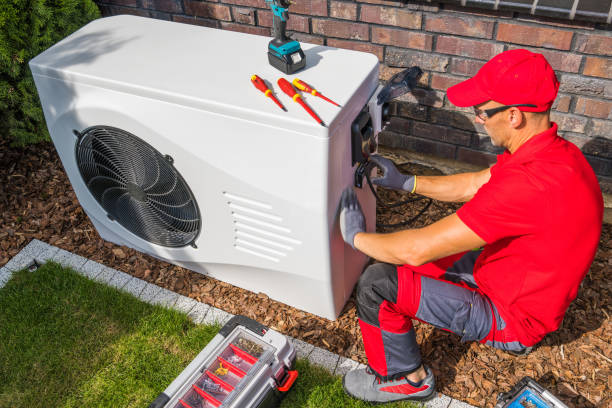
Technician Repairing Heat Pump Unit Professional Middle Aged HVAC Technician in Red Uniform Repairing Modern Heat Pump Unit. House Heating and Cooling System Theme. ac technician stock pictures, royalty-free photos & images

Ensuring Optimal Performance with Expert HVAC Installation and Repair Services

Proper HVAC installation and repair are essential for maintaining consistent indoor comfort while optimizing the efficiency and lifespan of your system. Trusting professional HVAC contractors for these services ensures that your system operates at peak performance, reduces energy consumption, and minimizes costly breakdowns. Below, we explore the key benefits of expert HVAC services and how they contribute to the overall performance of your heating, ventilation, and air conditioning systems.

The Role of Professional Installation in System Efficiency

A professionally installed HVAC system sets the foundation for long-term performance.

  • Proper System Sizing: Professionals assess your home or building’s heating and cooling requirements to select a system that matches its size and energy needs. Incorrect sizing can lead to inefficiencies, such as short cycling or poor temperature control.
  • Correct Ductwork Design: Well-designed ductwork facilitates optimal airflow, ensuring even temperature distribution throughout your space.
  • Adherence to Industry Standards: Certified technicians follow manufacturer guidelines and local building codes during installation to avoid operational issues later.
  • Calibration for Performance: Professionals fine-tune the system after installation to ensure all components work harmoniously.

Benefits of Expert Repairs

When problems arise with an HVAC system, attempting DIY fixes or hiring unqualified individuals can lead to recurring issues or further damage.

  1. Accurate Diagnosis: Expert technicians use advanced diagnostic tools to pinpoint problems quickly and accurately.
  2. Quality Repairs: A licensed contractor utilizes genuine replacement parts that enhance reliability over makeshift solutions.
  3. Preventive Maintenance Knowledge: During repair visits, professionals often identify other potential concerns that could develop into larger issues if ignored.
  4. Warranty Protection: Many manufacturers require professional servicing to keep warranties valid.

Common Signs Your System Needs Professional Attention

Recognizing when your HVAC system requires professional service is essential for preventing small problems from escalating into major repairs or replacements.

  • Uneven heating or cooling across different rooms
  • Higher-than-usual energy bills without any change in usage patterns
  • Strange noises like rattling, squealing, or grinding
  • Persistent odors coming from vents
  • Frequent cycling on/off (short cycling)
  • Difficulty maintaining desired temperatures

How Expert Services Boost Energy Efficiency

An improperly functioning HVAC system can waste significant amounts of energy.

Service Area Impact on Efficiency
Cleaning Coils Prevents airflow restrictions caused by dirt buildup
Replacing Air Filters Enhances airflow and reduces strain on components
Sealing Leaks in Ductwork Eliminates energy loss due to escaping air
Optimizing Thermostat Settings Ensures proper temperature regulation

Long-Term Cost Savings with Professional Help

  • Reducing energy bills through efficient operation
  • Minimizing repair frequency with regular maintenance
  • Extending the lifespan of your HVAC unit

By choosing expert installation and repair services for your HVAC needs, you not only ensure optimal performance but also create a more comfortable indoor environment while keeping long-term costs under control.

Understanding the Signs That It’s Time to Replace Your HVAC System

However, like all mechanical systems, it has a finite lifespan.

Continuous repairs not only strain your budget but also interrupt your comfort.

Frequency of Repairs Action Needed
1-2 minor repairs annually Regular maintenance is sufficient
Multiple major repairs annually Consider replacing the unit

Older HVAC systems tend to lose efficiency over time due to wear and outdated technology. Modern HVAC units are designed with higher Seasonal Energy Efficiency Ratio (SEER) ratings, which can reduce monthly energy costs.

Uneven heating or cooling throughout your property may suggest that your current system is no longer capable of maintaining consistent performance. This could stem from aging components or an improperly sized unit.

Signs of inconsistent temperatures include:
– Some rooms feeling too hot while others remain cool
– Difficulty maintaining the set thermostat temperature
– Increased humidity levels indoors

The average lifespan of an HVAC system ranges between 10 to 15 years with proper maintenance. If your unit is nearing or exceeding this range, it may struggle to operate efficiently and could soon fail altogether.

Key factors based on age:
10+ years old: Start monitoring performance closely and plan for replacement costs.

15+ years old: Replacement is highly recommended for optimal performance and cost savings.

Loud banging, clanking noises, or strange odors coming from your HVAC system often indicate internal damage that might not be repairable at a reasonable cost.

Common issues include:
– Worn-out motor bearings causing grinding sounds

– Leaks leading to musty odors

– Electrical issues producing burnt smells

Benefits of Timely Replacement

Replacing your outdated HVAC system proactively offers several advantages:
– Improved energy efficiency with updated technology

– Reduced repair expenses over time

– Enhanced indoor air quality through advanced filtration systems

– Peace of mind knowing you’re less likely to experience sudden breakdowns

By understanding these signs early on and consulting with a professional contractor when needed, you can ensure consistent comfort while avoiding unnecessary expenses associated with procrastination on replacement decisions. Recognizing when it’s time for an upgrade helps create long-term value for both homeowners and businesses alike.

The Value of Customer Reviews When Choosing an Experienced HVAC Contractor

When it comes to selecting the right HVAC contractor, customer reviews play a critical role in ensuring you make an informed decision. Choosing an experienced professional is essential for the longevity and efficiency of your heating, ventilation, and air conditioning system. Here’s why considering customer reviews should be a key part of your selection process.

Why Customer Reviews Matter

Customer reviews provide real-world insights into the quality of service offered by an HVAC contractor.

  • Workmanship Quality: Reviews often highlight whether the contractor provides thorough and efficient service.
  • Professionalism: Comments regarding punctuality, communication, and overall conduct can reflect how seriously a company takes its customers’ needs.
  • Reliability: A consistent pattern of positive feedback indicates that the company delivers on its promises.
  • Post-Service Support: Customers often share experiences about follow-ups or warranty claims, which helps gauge the company’s commitment to long-term satisfaction.

Benefits of Leveraging Online Customer Reviews

By reading customer feedback, you can make better decisions based on others’ experiences.

  1. Authentic reviews give insights into what to expect from a specific company without bias from marketing materials or advertisements.
  2. Some reviewers share whether they felt they received good value for their money or describe hidden charges they encountered during service.
  3. Repeated complaints in reviews may help you spot potential red flags with contractors who cut corners or lack reliability.

Key Platforms to Check Customer Reviews

Platform Features Example Use Case
Google Reviews User-generated ratings with detailed descriptions of past projects Look up local contractors and average ratings over time
Yelp Focused heavily on local businesses with customer photos and input Compare nearby contractors offering similar services
Better Business Bureau (BBB) Includes business ratings based on performance metrics like complaints resolved Check for unresolved disputes between companies & clients
Social Media Direct feedback posted by other homeowners within community groups Engage directly by asking homeowners for recommendations

How to Evaluate Customer Feedback Effectively

To ensure you’re interpreting online reviews correctly:
– Focus on trends rather than isolated opinions—are most reviewers satisfied?
– Prioritize detailed comments over brief remarks like “great job” to identify specific strengths or weaknesses. – Pay attention to how contractors respond to negative feedback; professional responses show accountability and willingness to improve.

Red Flags in Contractor Reviews

While positive feedback is helpful, it’s equally important to watch out for warning signs such as:
– Recurring complaints about missed deadlines or incomplete work.

– A lack of online presence or no recent reviews indicating limited credibility.

– Overly generic responses that don’t address issues directly when handling dissatisfied customers.

When done thoughtfully, evaluating customer feedback allows homeowners not only peace of mind but also ensures they hire reputable professionals who deliver high-quality HVAC services tailored to their needs effectively.


Male Technician Repairing Air Conditioner With Screwdriver Smiling Woman Looking At Male Technician Repairing Air Conditioner With Screwdriver In Home ac technician stock pictures, royalty-free photos & images

HVAC systems play an essential role in maintaining indoor comfort, regardless of the season. However, as these systems age and experience wear and tear, their efficiency decreases, and the likelihood of costly breakdowns increases. Recognizing when it’s time to replace your HVAC system can save you both hassle and money in the long run.

Signs Your HVAC System May Need Replacement

  • Age of the System: Most HVAC systems have a lifespan of 10–15 years. If your system is older than this, it may be time to consider a replacement.
  • Frequent Repairs: If you find yourself regularly calling for repairs, those costs can quickly add up. At some point, replacing the unit may be more cost-effective than continually fixing it.
  • Rising Energy Bills: A declining HVAC system often struggles with efficiency, causing your energy bills to increase noticeably over time.
  • Inconsistent Heating or Cooling: Rooms that are too hot or cold despite thermostat adjustments could signal that your system is no longer operating efficiently.
  • Unusual Noises or Odors: Grinding sounds, rattling noises, or odd smells can indicate major mechanical failure.

Benefits of Replacing an Outdated HVAC System

  1. Increased Energy Efficiency
    Modern HVAC systems are designed to meet higher energy-efficiency standards. Features such as variable-speed motors and smart thermostats reduce overall energy consumption while keeping your home comfortable.
  2. Lower Maintenance Costs
    A new unit comes with fewer repair needs compared to an aging one. Additionally, most new systems come with warranties covering parts and labor for several years.
  3. Enhanced Indoor Air Quality (IAQ)
    Advanced filtration systems in newer models help remove allergens, pollutants, and moisture from the air more effectively than older units.
  4. Better Environmental Impact
    Upgrading to an efficient model reduces your carbon footprint by using less energy. Many contemporary units also comply with updated refrigerant regulations aimed at protecting the environment.
Feature Old Systems New Systems
Energy Efficiency Low High
Repair Frequency Frequent Minimal
Indoor Air Quality Basic filtration Advanced filtration options
Environmental Impact Higher emissions Lower emissions

Planning for Timely Replacement

  • Schedule annual professional inspections to assess its condition.
  • Keep track of repair costs over time; if they exceed 50% of replacement costs, consider upgrading.
  • Explore financing options or utility incentives that might ease the upfront cost burden of installing a new unit.

Making proactive decisions about replacing an outdated HVAC system ensures continued comfort in your home while preventing excessive expenditures on repairs over time. A reliable contractor can guide you through selecting the right equipment for optimal performance tailored to your needs.

The Importance of Air Conditioning Repair Miami for Your HVAC System

Regular maintenance is key to ensuring your HVAC system functions efficiently, and annual professional inspections serve as a cornerstone of this upkeep. An HVAC system is a complex piece of equipment that requires expert attention to identify potential issues before they escalate into costly repairs or complete system failures. Here are some critical benefits of scheduling annual inspections with a qualified HVAC professional.

Enhanced Energy Efficiency

  • Check and clean various components, such as coils, blower motors, and fans.
  • Address wear and tear on moving parts.
  • Lubricate necessary components to reduce friction and improve efficiency.

An efficient HVAC system consumes less energy, leading to lower monthly utility bills while minimizing its environmental impact.

Prolonged Equipment Lifespan

  • Identify minor issues before they cause significant damage.
  • Replace worn-out parts that could otherwise strain the system.
  • Ensure proper airflow and refrigerant levels to prevent overworking the compressor.

A well-maintained unit is less likely to break down prematurely, ensuring you get the most out of your investment over time.

Prevention of Costly Repairs

  • Detect refrigerant leaks or electrical issues.
  • Clean clogged condensate lines to prevent water damage.
  • Verify thermostat functionality for accurate temperature control.

By addressing these issues early, you avoid unexpected repair costs while maintaining consistent comfort in your home or business.

Improved Indoor Air Quality

  • Replacing dirty air filters that trap dust, pollen, and other pollutants.
  • Ensuring the ductwork is free of debris or mold buildup.
  • Checking ventilation rates to promote healthier indoor air circulation.

For homeowners with allergies or respiratory concerns, these measures contribute significantly to overall well-being.

Safety Assurance

Area Inspected Purpose
Heat exchangers Check for cracks/leaks (carbon monoxide prevention).
Electrical connections Reduce fire hazards due to faulty wiring.
Gas lines Prevent potential leaks in combustion systems.

These steps not only protect your family or employees but also provide peace of mind knowing the system is safe to operate year-round.

Maintaining Warranty Coverage

Many manufacturers require proof of regular maintenance to uphold warranties on new systems. Skipping annual professional inspections might void coverage for repair claims. Keeping documented records confirms compliance with warranty terms and ensures financial protection should major issues arise down the line.

Annual professional inspections are essential for optimizing performance and reducing the likelihood of unforeseen problems with your HVAC system. As a homeowner or business owner, prioritizing this routine service will save money over time while creating a safer and more comfortable environment indoors.

Why Regular AC Repair Miami Services Are Essential for Your HVAC System

Regular maintenance is vital to ensuring the longevity and efficiency of your HVAC system. One of the most overlooked but crucial aspects of this maintenance is scheduling annual professional inspections. These inspections not only improve performance but also help you save on energy costs while avoiding major repairs. Here are some key reasons why annual professional checkups are essential for your HVAC system.

Early Detection of Problems

A professional inspection allows technicians to catch small issues before they escalate into larger, more costly repairs. For example, a minor refrigerant leak or a dirty coil might seem insignificant at first but can lead to system inefficiency or even complete failure if left unchecked.

Common issues identified during inspections include:
– Clogged filters
– Refrigerant leaks
– Worn-out belts and motors
– Faulty electrical connections

By addressing these problems promptly, you can avoid emergencies and costly breakdowns during peak heating or cooling seasons.

Improved Energy Efficiency

An annual inspection often includes tasks that enhance your system’s energy efficiency. Tasks such as cleaning coils, tightening electrical connections, and calibrating the thermostat ensure your unit operates at its optimal capacity, consuming less energy. This translates to lower utility bills over time.

Component Checked Potential Issue Identified Impact on Efficiency Solution
Air Filters Dust and debris buildup Restricted airflow Replace filters
Evaporator & Condenser Coils Dirt accumulation Reduced heat exchange capability Coil cleaning
Refrigerant Levels Undercharged or overcharged Inefficient cooling/heating Recharge to manufacturer specifications

Extending System Lifespan

Regular professional inspections contribute significantly to extending the life of your HVAC system. By addressing wear and tear early on, technicians prevent further damage that could shorten the equipment’s lifespan. Well-maintained systems often last several years beyond their standard lifespan, delaying replacement costs.

Enhanced Indoor Air Quality (IAQ)

Dirty components in an HVAC system can circulate dust, mold spores, and allergens throughout your home or office. During an annual inspection, professionals clean these components thoroughly to ensure better air quality.

Some key tasks involved in improving IAQ include:
– Cleaning ductwork and vents
– Replacing clogged air filters with high-efficiency models
– Inspecting for signs of mold or mildew inside the system

Warranty Compliance

Many manufacturers require proof of routine maintenance when servicing warranty claims. Skipping regular inspections could void your warranty coverage. Scheduling annual visits ensures compliance with these requirements while protecting against unexpected repair costs.

What Happens During a Professional Inspection?

  1. Inspecting Electrical Connections – Ensuring wires are secure to prevent component failure.
  2. Lubricating Moving Parts – Reducing friction in fans or other mechanical parts.
  3. Checking Thermostat Settings – Verifying proper calibration for consistent temperatures.
  4. Examining Ductwork – Identifying potential leaks causing inefficiencies.
  5. Testing System Controls – Ensuring safe operation during startup cycles.

Investing in regular HVAC inspections not only improves efficiency but also enhances comfort while preventing unexpected disruptions in service throughout the year.

Tips from an HVAC Company Miami, FL: How to Keep Your Outdoor Unit Clear

Proper maintenance of your HVAC system’s outdoor unit is essential for ensuring efficiency, longevity, and optimal performance. The outdoor unit, also referred to as the condenser unit, plays a critical role in heat exchange and cooling processes. When it becomes obstructed or dirty, the system can become overworked, leading to higher energy bills and potential breakdowns. Below are some effective ways to keep your outdoor unit clean and clear.

Regularly Remove Debris Around the Unit

The area surrounding the outdoor unit should be free from debris such as leaves, grass clippings, twigs, or dirt. These materials can accumulate on or around the condenser coils and restrict airflow.

  • Inspect weekly: Check the area for visible debris at least once a week.
  • Clear at least 2 feet around the unit: Ensure there’s a clearance of at least 2 feet on all sides to allow proper airflow.
  • Trim nearby vegetation: Keep shrubs, bushes, or trees trimmed back from the outdoor unit.

Clean the Unit’s Exterior

Dirt and grime can accumulate on an outdoor HVAC unit over time. Cleaning it periodically helps maintain its efficiency.

  1. Turn off power: Always switch off power to the HVAC system before cleaning.
  2. Use a garden hose: Gently rinse dirt off with a hose. Avoid using pressure washers as they may damage components.
  3. Clean fan blades: Wipe down fan blades with a damp cloth if accessible.

Inspect for Obstructions

Sometimes obstructions inside or around the condenser make it harder for your system to function effectively.

  • Check for nests or pests: Look out for signs of animals such as birds or rodents that might nest in or near your equipment.
  • Remove blockages: Clear away any items like furniture, tools, or toys that might disrupt airflow.

Seasonal Maintenance Tips

  • Spring and Fall: During these seasons when foliage is abundant, inspect more frequently to prevent buildup of leaves and pollen.
  • Winter Prep: If you live in an area prone to snow accumulation, consider covering your condenser with a breathable cover designed specifically for HVAC units. Avoid tightly wrapping it with plastic tarps as this can trap moisture and cause rusting.
  • Summer Care: Ensure grass clippings don’t blow into the unit during lawn mowing activities.

Man master holding tablet and inspecting conditioner outdoor Focused master wearing gray overalls holding wireless tablet while inspecting air conditioner on plant. Caucasian qualified craftsman crouching and comparing information with device outdoors. ac technician stock pictures, royalty-free photos & images

Season Maintenance Focus Tools Required
Spring/Fall Removing fallen leaves Rake, gloves
Winter Preventing snow buildup Breathable cover
Summer Clearing grass clippings Garden hose

Monitor Airflow Around Your Unit

Restricted airflow leads to inefficient operation and increased wear on parts over time. Conduct periodic inspections by observing how well air circulates through your system.

Helpful tips:

– Avoid placing decorative barriers like fences too close unless they allow adequate ventilation.

– Position any additional items such as gardening tools far enough away so they don’t impede airflow.

Maintaining cleanliness around your outdoor HVAC unit not only improves performance but also reduces long-term repair costs while extending its lifespan. A clear condenser ensures smoother operation—keeping both energy consumption and stress on components low year-round.

Ensuring Efficient HVAC Functionality: Tips for AC Replacement Miami Homeowners

Ductwork plays a vital role in the performance of an HVAC system. It serves as the system’s primary delivery network for conditioned air, ensuring that each room in your home or building receives adequate airflow. However, leaks or damage in ductwork can cause inefficiencies, leading to increased energy bills and uneven heating or cooling. Regularly inspecting your ductwork for leaks is crucial to maintaining your HVAC system’s efficiency and functionality.

Why Duct Leaks Are a Problem

  • Energy Loss: Air escaping through leaks means your HVAC system must work harder to maintain the desired indoor temperature, resulting in higher energy consumption.
  • Uneven Temperatures: Rooms may become too hot or too cold due to insufficient airflow caused by leaks.
  • Reduced Air Quality: Leaks can allow dust, dirt, and other pollutants into the duct system, negatively impacting indoor air quality.
  • Shortened Equipment Lifespan: Overworking an HVAC system due to inefficient ductwork can lead to premature wear and tear on components.

Signs Your Ductwork May Have Leaks

  1. Higher Utility Bills: An unexpected rise in heating or cooling costs could mean air is escaping through damaged ducts.
  2. Inconsistent Temperatures: Hot or cold spots in certain areas of your home may point to airflow issues caused by leaks.
  3. Unusual Noises: Whistling or hissing sounds coming from ducts often suggest a problem.
  4. Visible Damage: Cracks, holes, or disconnected segments in accessible areas of ductwork are clear signs of trouble.

Steps to Inspect Your Ductwork for Leaks

  1. Look for visible holes, cracks, or gaps in the duct joints.
  2. Ensure all segments are properly connected and secured.
  3. Turn on your HVAC fan and place your hand near seams; if you feel air escaping, there is likely a leak.
  4. Use incense sticks or a smoke pen around suspected areas while the fan is running. If you see smoke being pulled into gaps, it indicates a leak.
  5. Damaged or missing insulation could result in reduced efficiency and may expose underlying duct issues.

Professional Testing Methods

  • Duct Blower Test: This measures how much air escapes through leaks by pressurizing the ducts with a fan.
  • Thermal Imaging: A thermal camera detects temperature differences along the ducts that could indicate escape points.
Common Tools Purpose
Foil Tape Seals small cracks and gaps temporarily
Mastic Sealant Provides durable sealing for larger gaps
Insulation Wrap Improves energy efficiency after repairs

What To Do If You Find Leaks

  1. Seal minor gaps with metallic foil tape (avoid traditional duct tape which degrades quickly).
  2. Apply mastic sealant over larger cracks using a paintbrush for long-lasting results.
  3. Replace severely damaged sections of ducting where necessary.

For extensive damages or hard-to-reach areas like ceilings and crawl spaces, consulting an experienced HVAC technician is recommended.

Inspecting ductwork regularly helps ensure effective heating and cooling performance while reducing unnecessary energy costs over time—an essential step toward keeping your home comfortable year-round without breaking the bank on repairs later down the road.

Understanding Refrigerant Levels and Their Impact on Your HVAC System Efficiency

Refrigerant is a critical component in your HVAC system, playing a key role in cooling and heating your home efficiently. Without the proper refrigerant levels, your system will struggle to maintain comfort while consuming more energy. Here’s a comprehensive look at refrigerant levels and how they impact HVAC performance.

What is Refrigerant?

Refrigerant is a chemical compound used in HVAC systems to transfer heat. It absorbs heat from inside your home during the cooling process and releases it outside. Common refrigerants include R-22 (commonly referred to as Freon) and R-410A, although newer systems have moved toward eco-friendlier alternatives due to environmental regulations.

Signs of Low Refrigerant Levels

Low refrigerant levels can lead to numerous issues that reduce the efficiency of your HVAC unit. Some common signs include:
Air isn’t as cool: If the air coming from your vents feels warmer than expected, low refrigerant may be the cause.
Longer cooling cycles: The system may run continuously without effectively lowering the indoor temperature.
Ice on evaporator coils: Insufficient refrigerant can cause the coils to freeze due to improper heat absorption.
Higher energy bills: When refrigerant levels are low, your system works harder, consuming more electricity.

How Low Refrigerant Levels Affect Efficiency

  1. Increased Energy Consumption: With insufficient refrigerant, the system has to work longer and harder to achieve desired temperatures, leading to higher energy usage.
  2. Shortened Lifespan: Over time, running an HVAC with low refrigerant places unnecessary stress on components such as compressors, which could lead to costly repairs or early replacement.
  3. Reduced Comfort: Low levels impair the heat transfer process, making it difficult for the system to maintain consistent temperatures throughout your home.

Maintaining Proper Refrigerant Levels

  • Schedule an annual inspection: A licensed technician can check for leaks or other issues affecting refrigerants during routine maintenance.
  • Seal leaks immediately: If a leak is identified, it should be repaired promptly before adding more refrigerants.
  • Avoid DIY solutions for refilling refrigerants: Working with these chemicals requires specialized tools and training due to safety concerns and environmental regulations.
Problem Impact on System Potential Solution
Low Refrigerant Reduced cooling efficiency Professional recharge by technician
Leaks in Refrigeration Lines Loss of pressure and performance Leak detection & repair
Incorrect Type of Refrigerant Damages internal components Use manufacturer-recommended type

Environmental Implications of Improper Handling

It’s important not just for efficiency but also for environmental responsibility that outdated or leaking systems be addressed promptly. Many traditional refrigerants contribute significantly to ozone depletion or have high global warming potential (GWP). Modern replacements like R-32 are designed with lower GWP values; upgrading older systems may reduce both costs and environmental footprint over time.

Understanding how refrigerants work within your HVAC system allows homeowners not only to save money but also ensure optimal performance year-round while adhering responsibly towards global sustainability efforts.

Educating Yourself on the Lifespan of Your HVAC System and When Replacement is Necessary

Understanding the lifespan of your HVAC system is critical for planning maintenance, avoiding unexpected failures, and determining when replacement is a cost-effective option. While HVAC systems are designed to be durable, they do not last forever. Here’s what you need to know about the average lifespan of these systems and how to identify when replacement is necessary.

The Average Lifespan of HVAC Systems

HVAC Component Average Lifespan Key Factors Affecting Lifespan
Central Air Conditioner 10-15 years Environmental exposure and regular maintenance
Furnace 15-20 years Fuel type (gas vs. electric) and frequency of use
Heat Pump 10-15 years Climate conditions (e.g., extreme cold or heat)
Ductless Mini-Split System 12-15 years Maintenance frequency and proper sizing

Proper care can extend these lifespans by several years; conversely, neglect can shorten them significantly.

Signs That It’s Time to Replace Your HVAC System

  1. Rising Energy Bills: If your energy costs steadily increase without a change in usage patterns, it could signal declining efficiency.
  2. Frequent Repairs: Expensive or repeated repairs often indicate that replacement may be more economical in the long run.
  3. Uneven Heating or Cooling: Inconsistent performance across different rooms could mean your system is struggling to operate effectively.
  4. Excessive Noise: Unusual sounds such as banging, squealing, or rattling often suggest wear-and-tear issues that are hard to fix permanently in older systems.
  5. Outdated Features: Older systems generally lack modern energy-saving features like programmable thermostats or smart technology integration.

When Replacement Becomes More Cost-Effective

  • If repair costs exceed 50% of the cost of a new unit, replacement should be considered.
  • Evaluate energy savings — newer models with high SEER (Seasonal Energy Efficiency Ratio) ratings can reduce utility bills substantially over time.
  • Take into account any rebates or incentives available locally for upgrading to more energy-efficient options.

Tips for Prolonging Your HVAC System’s Life

  • Schedule regular professional maintenance at least once per year.
  • Change air filters every 1-3 months depending on usage and manufacturer recommendations.
  • Keep outdoor units clean and free from debris such as leaves or dirt.
  • Monitor refrigerant levels regularly to maintain optimal performance.

By staying proactive with these measures, you can maximize both efficiency and longevity while postponing the need for costly upgrades.


a professional electrician man is fixing the heavy unit of an air conditioner at the roof top of a building and wearing blue uniform and head cap a professional electrician man is fixing the heavy unit of an air conditioner at the roof top of a building and wearing blue uniform and head cap ac technician stock pictures, royalty-free photos & images

The lifespan of an HVAC system is not etched in stone; it depends on a variety of factors. Understanding these influencing variables can help homeowners and business owners make informed decisions about maintenance, repairs, or replacements. Below are some key aspects that play a significant role in determining how long your HVAC system will last.

1. Quality of Installation

A properly installed HVAC system is more likely to function efficiently and last longer. Poor installation practices, such as incorrect sizing or improper placement of components, can lead to operational inefficiencies and premature wear.

Key considerations for proper installation:
– Ensure compatibility between the unit size and the building’s square footage.
– Hire certified professionals who follow industry standards.
– Verify that all ductwork is sealed and insulated appropriately.

2. Routine Maintenance

Regular maintenance is one of the most critical factors that influence an HVAC system’s longevity. Without routine check-ups, minor issues can escalate into costly repairs or irreversible damage.

Maintenance tips to extend lifespan:
– Replace air filters every 1–3 months to maintain airflow quality.
– Schedule annual inspections by licensed HVAC contractors for both heating and cooling systems.
– Clean condenser coils and other external components to avoid dirt buildup.

3. Usage Patterns

How frequently you use your system also impacts its durability. Overuse, particularly in extreme climates, places additional strain on components like compressors and fans.

Energy-saving practices that reduce strain:
– Use programmable thermostats to optimize temperature settings based on occupancy schedules.

– Seal windows and doors properly to limit heat exchange with the exterior environment.

– Utilize ceiling fans to reduce reliance on the HVAC system during milder weather conditions.

4. Type and Quality of Equipment

Not all HVAC systems are created equal. The quality of the materials, brand reputation, and technology used in manufacturing greatly affect performance and longevity.

Considerations when selecting equipment:
| Equipment Type | Typical Lifespan | Additional Notes | |———————|——————|———————————————————————-| | Central Air Systems | 15–20 years | Requires regular filter replacement for optimal function | | Furnaces | 20–30 years | Gas furnaces often outlast electric models | | Heat Pumps | 10–15 years | Lifespan may decrease with heavy use in extreme climates |

Investing in high-quality equipment may involve higher upfront costs but often results in fewer repair needs over time.

5. Environmental Factors

External environmental conditions—such as humidity levels, air quality, or exposure to corrosive elements—can accelerate wear on your HVAC system’s components.

How to mitigate environmental stressors:

– Install a whole-house dehumidifier if you live in a humid climate.

– Use air purifiers or high-efficiency particulate air (HEPA) filters in areas prone to pollution.

– Apply protective coatings on outdoor units if exposed to salt-laden air near coastal regions.

By taking these factors into account, you can maximize your HVAC system’s efficiency while prolonging its service life through proactive care and sound decision-making.

Key Considerations for Choosing AC Replacement Miami Services Over Repairs

When your heating, ventilation, and air conditioning (HVAC) system starts showing signs of wear or inefficiency, you may find yourself debating whether to pursue repairs or invest in a replacement. This decision can have a long-term impact on comfort, energy efficiency, and costs. Below are key considerations to help determine when replacement is the better option over repairs.

1. Frequency and Cost of Repairs

Repair Scenario Estimated Costs Recommendation
Single repair per year $300–$500 annually Continue with repairs
Frequent repairs (3+ times/year) $1,000+ annually Consider replacement
Major component failure (e.g., compressor) $2,000–$4,000 Prioritize replacement

2. System Age

  • Air Conditioners: Typically last 10–15 years.
  • Furnaces: May last up to 20 years.
  • Heat Pumps: Average lifespan is around 10–15 years.

If your system is nearing or has exceeded its expected lifespan and is no longer operating efficiently despite maintenance efforts, it may be time to replace it rather than investing in costly and temporary fixes.

3. Energy Efficiency

  • Reduced energy consumption.
  • Lower monthly utility bills.
  • Improved environmental sustainability due to reduced carbon footprint.

Energy-efficient models with high SEER (Seasonal Energy Efficiency Ratio) ratings or Energy Star certifications are particularly beneficial for long-term savings.

4. Comfort and Performance Issues

  • Uneven heating/cooling between rooms.
  • Persistent humidity issues.
  • Unusual noises during operation.

Replacing the unit ensures improved performance while eliminating recurring inconveniences.

5. Compatibility with New Technology

Modern HVAC systems come with features such as smart thermostats, zoned temperature control, and variable-speed motors that enhance convenience and efficiency. Retrofitting older systems with such technology can be challenging or impossible; opting for a new installation ensures compatibility with these advancements.

By carefully weighing these factors—repair frequency and cost, system age, energy efficiency needs, comfort issues, and technological compatibility—you can make an informed decision about whether HVAC replacement is the right choice for your home or business needs. A professional evaluation from an experienced contractor can also provide valuable insights tailored to your specific situation.

Understanding the Average Lifespan of Common Miami HVAC Systems

The lifespan of an HVAC system is a key factor in determining when repairs or replacements are necessary. While many homeowners may delay HVAC replacement to save costs, understanding the average lifespan of common systems can help make proactive decisions. Below, we break down the expected lifespans of typical HVAC components and discuss factors that can influence their longevity.

Average Lifespan by System Type

HVAC System Type Average Lifespan
Central Air Conditioning Units 12–15 years
Furnaces (Gas) 15–20 years
Heat Pumps 10–15 years
Boilers 20–30 years
Ductless Mini-Split Systems 12–15 years

While these numbers provide a general guideline, it’s important to note that proper maintenance plays a significant role in whether an HVAC system reaches or exceeds its expected lifespan. Below are some factors that influence how long these systems operate effectively.

Key Factors That Impact System Longevity

  1. Usage Patterns: Systems that run for extended hours daily typically experience faster wear and tear compared to those used intermittently.
  2. Maintenance Frequency: Regular servicing such as filter changes, duct cleaning, and inspections ensure components remain in good condition over time. Neglecting maintenance often reduces lifespan.
  3. System Quality: The brand and manufacturing quality of an HVAC system directly affect its durability. Premium systems from reputable brands often last longer than budget options.
  4. Installation Quality: Poor installation techniques may lead to inefficiencies, excessive wear on parts, and shorter operational timelines for any HVAC equipment.
  5. Climate Conditions: Systems operating in extreme weather conditions (e.g., excessive heat or freezing temperatures) endure more strain than those located in moderate climates.
  6. Energy Efficiency Ratings (SEER/AFUE): High-efficiency systems designed with advanced technology tend to last longer due to reduced operational stress.

Tips for Prolonging System Life

  • Perform annual professional inspections to detect early issues before they escalate into costly repairs or replacements.
  • Change air filters regularly—typically every one to three months—to improve airflow and reduce strain on the unit.
  • Address minor repairs promptly to prevent damage from spreading to other components.
  • Ensure your ductwork is properly sealed to avoid unnecessary airflow loss and increased workload on your system.

Maintenance vs Replacement Decisions

  • If a repair costs more than half the price of a new unit and your current system is nearing its end-of-life phase (e.g., over 12 years old for an air conditioner), replacement might be the better solution.
  • Regular energy bill spikes could also indicate that older equipment no longer operates at peak efficiency, signaling it might be time for an upgrade.

Understanding these average lifespans and actionable tips ensures you can make informed decisions about maintaining or replacing your HVAC system while avoiding unexpected breakdowns during critical seasons like summer or winter.

Exploring the Benefits of Opting for Professional HVAC System Replacement

When the time comes to replace your HVAC system, choosing a professional HVAC contractor is critical. While some homeowners may consider taking a DIY approach or hiring an unlicensed contractor to save costs, professional replacement offers numerous advantages that far outweigh any initial savings. Below, we dive into the key benefits of opting for professional HVAC system replacement.

1. Expertise and Technical Knowledge

Licensed and experienced HVAC contractors possess in-depth knowledge of heating, ventilation, and air conditioning systems.

This expertise ensures:

– Proper assessment of your home’s specific needs.

– Accurate sizing of the HVAC unit based on factors like square footage, insulation, and climate.

– Precise installation according to manufacturer guidelines and industry standards.

An improperly installed system can lead to inefficiencies, higher energy bills, and frequent breakdowns. Professionals eliminate these risks through their technical proficiency.

2. Access to Advanced Tools and Equipment

Professional contractors have access to specialized tools and equipment required for a seamless installation process. These tools are often unavailable to the average homeowner or unlicensed technicians.

Proper use of advanced equipment ensures:

– Precise calibration of the system for optimal performance.

– Safe handling of refrigerants in compliance with environmental regulations.

– Accurate testing after installation to verify efficiency.

3. Enhanced Energy Efficiency

A new HVAC system installed by certified professionals is set up optimally for energy savings.

Key benefits include:

– Reduced energy consumption due to proper installation techniques.

– Improved indoor comfort with consistent heating or cooling cycles.

– Long-term cost savings on utility bills.

Additionally, licensed contractors can recommend energy-efficient models that qualify for rebates or tax incentives, further lowering your costs.

4. Warranty Protection

Most HVAC systems come with a manufacturer’s warranty that covers specific repairs or replacements within a designated timeframe. However, warranties are typically void if the system is installed improperly or by an unlicensed individual.

Professional replacement ensures:

– Compliance with manufacturer requirements.

– Documentation needed for warranty claims.

This added layer of protection offers peace of mind in case unexpected issues arise.

5. Adherence to Local Codes and Regulations

HVAC installations must comply with local building codes and safety standards. Professional contractors are well-versed in these regulations, ensuring:

– Proper permitting processes are completed where required.

– Safe operation that prevents hazards such as gas leaks or electrical issues.

Non-compliance during DIY attempts can result in penalties or unsafe living conditions.

Benefits at a Glance

Aspect DIY/Unlicensed Contractor Professional Installation
Expertise Limited Extensive
Warranty Validity Risk of voiding Fully protected
Safety Compliance May overlook standards Fully compliant
Energy Efficiency Potentially inefficient Optimized efficiency

Final Thoughts

An Electrician Men Checking Air Conditioning Unit Two Electricians Men Wearing Safety Jackets Checking Air Conditioning Unit On Building Rooftop ac technician stock pictures, royalty-free photos & images

Professional HVAC system replacement provides unmatched value by ensuring safe installation, maximum efficiency, and long-term cost savings while preserving warranties. Partnering with a licensed contractor ultimately safeguards your investment in home comfort systems while minimizing future risks associated with improper installations.

Essential Tips to Spot When You Need Air Conditioning Repair Miami

Replacing an air conditioning (AC) system can be a significant investment, but knowing when it’s time for a replacement can save you money in the long run and ensure consistent comfort in your home or office. Here are some key indicators that it may be time to consider replacing your air conditioning system.

1. Frequent Repairs and Rising Costs

If your AC system requires frequent repairs, it may indicate the overall health of the unit is deteriorating. Repair costs can quickly add up, and at some point, it may make more financial sense to invest in a new system.

Signs frequent repairs are becoming an issue:

– Increasing repair bills within a short timeframe
– Components breaking down repeatedly
– Difficulty finding replacement parts due to older models being discontinued

2. Inefficient Energy Performance

Older systems typically lose efficiency over time, leading to higher energy consumption and increased utility bills. If you notice your energy costs rising despite regular maintenance and no change in usage patterns, this could suggest that your AC is not operating efficiently.

Key indicators of inefficiency:

– Consistently high energy bills during peak seasons
– Your system struggles to maintain desired temperatures
– A lower Seasonal Energy Efficiency Ratio (SEER) rating compared to modern systems

Upgrading to a new unit with higher energy efficiency ratings can significantly reduce operating costs over its lifespan.

3. Age of the Air Conditioning System

The average lifespan of most air conditioners is approximately 10–15 years with proper care and maintenance. If your unit has exceeded this range, it might not be worth investing further in repairs or upgrades.

AC System Age Recommendation
< 10 years Repairs are likely cost-effective if issues arise
10–15 years Evaluate repair vs replacement carefully
> 15 years Replacement is usually the best option

4. Uneven Cooling or Poor Airflow

When an AC begins producing uneven cooling or weak airflow, it could signify deeper mechanical problems such as failing compressors or clogged ductwork. These issues often become more expensive to fix as they worsen over time.

Common symptoms include:

  • Hot and cold spots throughout your property
  • Weak airflow even at maximum settings
  • Persistent humidity indoors despite running the AC

5. Use of Outdated Refrigerants

If your air conditioner relies on refrigerants like R-22 (commonly known as Freon), which have been phased out due to environmental regulations, you may need a replacement sooner rather than later. Modern systems use eco-friendly refrigerants that are not only better for the environment but also help improve efficiency.

Why outdated refrigerants are problematic:

– Limited availability increases servicing costs

– Not compliant with current environmental standards

– Higher likelihood of leaks due to aging components

Final Thoughts on Timely Replacement Decisions

Pay attention to these warning signs when evaluating whether it’s time for a new air conditioning system. By acting promptly instead of delaying decisions, you can avoid unexpected breakdowns during peak usage periods while also benefiting from increased comfort and energy savings offered by newer models.

The Role of an Expert HVAC Contractor in Ensuring Efficient System Replacement

When it comes to replacing an HVAC system, the expertise of a professional HVAC contractor cannot be overstated. A qualified contractor not only ensures that the replacement process is smooth but also guarantees optimal performance and energy efficiency for years to come. Below, we’ll explore how an expert HVAC contractor plays a pivotal role in ensuring efficient system replacement.

Comprehensive Assessment of Your Current System

Before replacing your HVAC system, an experienced contractor will conduct a thorough evaluation of your existing setup.

This includes:
– Inspecting ductwork for leaks, damage, or inefficiencies.

– Assessing the size and type of the current unit relative to the home’s heating and cooling needs.

– Evaluating insulation levels and airflow patterns to determine any weaknesses in energy efficiency.

This initial assessment helps pinpoint underlying issues that may affect your new system’s performance if left unaddressed.

Proper System Sizing

One of the most critical factors in HVAC replacement is selecting a unit that is properly sized for your space. A trained contractor will perform detailed load calculations, taking into account variables like:
– The square footage of your home.
– The climate zone where you reside.
– Window placement and insulation quality.
– Occupancy patterns and energy usage habits.

Installing an incorrectly sized unit—whether it’s too large or too small—can lead to inefficiencies, increased utility bills, and unnecessary wear on components.

Ensuring Proper Installation Techniques

The installation process has a significant impact on how well your new HVAC system operates over its lifespan. An expert contractor follows industry best practices during installation by:
1. Verifying proper sealing around connections and ductwork to prevent energy loss.

2. Testing refrigerant levels to ensure they meet manufacturer specifications.

3. Positioning outdoor units in locations with adequate airflow while avoiding obstructions like shrubs or fences.

4. Confirming thermostat compatibility and function for seamless integration with the new system.

These meticulous steps help maximize efficiency and enhance overall performance.

Adherence to Safety Standards

Professional contractors comply with local codes, regulations, and safety standards throughout the replacement process. Tasks such as managing electrical connections, handling refrigerants responsibly, and following ventilation guidelines require technical knowledge that only licensed professionals possess.

Safety Task Importance
Managing Electrical Connections Prevents fire hazards or malfunctioning equipment due to improper wiring
Refrigerant Handling Avoids environmental harm caused by leaks; ensures proper cooling function
Ventilation Setup Reduces risk of carbon monoxide buildup; maintains safe indoor air quality

Failure to meet these standards can result in costly repairs down the line or potentially hazardous conditions.

Recommendations for Energy-Efficient Upgrades

An experienced HVAC contractor often provides guidance on modern energy-efficient systems that align with current technological advancements and environmental standards. This can include suggestions like upgrading to:
– Smart thermostats for enhanced control over heating/cooling schedules.

– High SEER (Seasonal Energy Efficiency Ratio) units that lower long-term energy costs.

– Systems equipped with variable-speed compressors for quieter operation.

These recommendations help homeowners make informed decisions about their investment while optimizing comfort levels year-round.

Post-Replacement Support & Maintenance Plans

A reliable contractor doesn’t stop at installation—they offer ongoing support through maintenance plans designed to extend the life of your new system. Services may include regular inspections, filter replacements, cleaning components like coils or blowers, and troubleshooting potential issues before they escalate.

By working with an expert HVAC contractor during a system replacement project, homeowners can enjoy improved indoor comfort, reduced operating costs, and peace of mind knowing their investment is protected by skilled workmanship tailored specifically to their needs.

Expert Tips for Choosing the Best AC Repair Miami Professionals for Reliable Upgrades

When it comes to upgrading an HVAC system, the expertise of a qualified contractor can make all the difference. A well-executed installation or upgrade not only ensures better performance but also enhances the longevity of your system. Below, we discuss why hiring a skilled HVAC contractor is vital for reliable upgrades.

Expertise and Specialized Knowledge

Qualified HVAC contractors possess extensive knowledge and training in handling various types of systems.

They are well-versed in:
– Assessing your current setup to determine upgrade requirements.
– Recommending energy-efficient models suited to your space and climate.
– Ensuring proper sizing of equipment to prevent inefficiencies related to underpowered or oversized systems.

An expert contractor ensures that every aspect of the installation aligns with industry standards.

Proper Installation Techniques Ensure Efficiency

Improper installation can diminish the performance and efficiency of even the most advanced HVAC systems. A qualified contractor will:
1. Follow manufacturer guidelines during installation to ensure warranty compliance.
2. Verify that ductwork is properly sealed, minimizing energy loss.
3. Ensure refrigerant levels are accurate for optimal cooling performance.

By adhering to these practices, contractors help prevent common issues like uneven heating/cooling or excessive energy consumption.

Compliance with Regulations and Safety Standards

HVAC upgrades involve technical processes that must comply with local codes and safety regulations:
Permits: Licensed contractors know which permits are required for system upgrades in your locality. This saves you from potential legal complications later.

Safety Protocols: Tasks like electrical connections, refrigerant handling, and gas line modifications require attention to safety standards that only trained professionals can provide.

Hiring a certified contractor gives peace of mind knowing that every step meets legal and safety requirements.

Cost-Efficiency Over the Long Term

While DIY installations or hiring unlicensed individuals might seem cost-effective upfront, they can lead to expensive repairs down the road due to errors or subpar materials. Professional contractors help reduce costs over time by:
– Installing systems efficiently, reducing wear-and-tear on components.

– Guiding you toward high-quality equipment with strong warranties.

– Conducting detailed inspections post-installation to identify potential problems early on.

Investing in professional service minimizes expensive maintenance bills later.

Tools, Technology, and Resources at Their Disposal

Tool/Resource Purpose
Advanced diagnostic software Identifies inefficiencies within existing systems
Specialized vacuum equipment Safeguards against moisture contamination during refrigerant handling
Load calculation tools Ensures precise system sizing based on your home’s unique requirements

These resources allow professionals to deliver precise results that would be difficult without specialized training and equipment.

Post-Installation Support & Maintenance

Another key benefit of hiring a professional is ongoing support after installation:

Warranty Assistance: Contractors often assist clients in understanding warranty terms or filing claims if needed.

Maintenance Plans: They may offer routine servicing packages to keep your upgraded HVAC system running smoothly.

This level of support ensures long-term satisfaction with your investment while maintaining optimal performance year-round.

Choosing a qualified HVAC contractor not only guarantees a reliable upgrade but also provides lasting value through energy savings, enhanced comfort, and peace of mind.

Why Hiring a Qualified HVAC Contractor is Essential for Reliable System Upgrades

Upgrading your HVAC system is a substantial investment that directly impacts your home’s comfort, energy efficiency, and overall value. While it may be tempting to cut corners by hiring the cheapest contractor or attempting a do-it-yourself (DIY) approach, working with a qualified HVAC contractor is critical to ensuring the success of your upgrade. Below are essential reasons why hiring an experienced professional matter.

Expertise and Industry Knowledge

  • Recommend systems suited to your home’s size, layout, and climate needs.
  • Stay updated on the latest industry standards, safety protocols, and building codes.
  • Properly size equipment to ensure optimal performance and prevent overloading or inefficiencies.

Ensuring Precise Installation

  • Accurately calculating load requirements using tools like Manual J calculations.
  • Verifying proper ductwork design and connections for adequate airflow.
  • Conducting performance tests after installation to ensure the system meets specifications.

Long-Term Cost Savings

  • Correct setup of equipment that maximizes energy efficiency.
  • Use of quality materials that enhance durability.
  • Providing warranties on labor and parts for added peace of mind.

When you rely on an expert contractor, you’re less likely to face recurring costs associated with poor workmanship.

Compliance with Safety Standards

  • Follow all local regulations concerning environmental safety standards (e.g., refrigerant disposal).
  • Ensure proper ventilation during the upgrade process to prevent issues like carbon monoxide leaks.
  • Test safety controls post-installation to verify functionality.

This level of compliance protects both your household’s well-being and the integrity of your property.

Access to Advanced Tools & Equipment

Tools/Equipment Purpose Benefit
Digital Manometers Measuring system pressure Ensures accurate balancing
Refrigerant Recovery Machines Safe refrigerant removal/disposal Environmental compliance
Combustion Analyzers Testing heating unit emissions Maximizes efficiency & reduces risk

These tools enhance precision while protecting your investment.

Comprehensive Maintenance Plans

  • Early detection of potential problems before they escalate.
  • Improved energy efficiency due to clean filters and optimized components.
  • Extended equipment life through routine care.

By partnering with a skilled contractor who also offers maintenance services, you secure long-term reliability for your upgraded system.

Conclusion

Hiring a qualified HVAC contractor ensures not only reliable upgrades but also peace of mind knowing the job is done right from start to finish. From proper sizing calculations and safety compliance measures to offering warranties on labor, trained professionals bring unmatched value when upgrading an essential component of your home’s infrastructure like an HVAC system.


Technician Looking Over A Gas Furnace Technician looking over a gas furnace with a flashlight before cleaning it. ac technician stock pictures, royalty-free photos & images

Improving the energy efficiency of your HVAC system not only reduces utility bills but also minimizes environmental impact. Here are 18 actionable ways to optimize the performance of your heating, ventilation, and air conditioning system.

Schedule Regular Air Conditioning Repair Miami Services

Routine maintenance ensures that your system runs smoothly throughout the year. Tasks such as cleaning coils, replacing filters, and inspecting components can improve efficiency and prolong system life.

Upgrade Your Thermostat and Find Reliable AC Repair Miami Services

Smart thermostats learn your habits and automatically adjust settings to reduce energy usage without compromising comfort. Features like remote control and scheduling can make a noticeable difference in overall energy consumption.

How to Seal Leaky Ductwork with an HVAC Company Miami, FL

Leaky ducts force your HVAC system to work harder by losing conditioned air into unconditioned spaces like attics or crawlspaces. Seal leaks with professional-grade duct sealing products or consider advanced options like Aeroseal technology for better results.

Tips for Proper AC Replacement Miami: Replace Air Filters Regularly

Dirty air filters obstruct airflow, forcing the unit to consume more energy than necessary. Replace filters every one to three months depending on usage and manufacturer recommendations.

5. Insulate Ductwork

Insulated ducts prevent heat loss or gain, ensuring that conditioned air remains at the desired temperature as it travels through the house.

6. Use Ceiling Fans Strategically

Ceiling fans circulate air more efficiently, allowing you to raise the thermostat setting in summer or lower it during winter without sacrificing comfort.

7. Install Energy-Efficient Windows

Windows with low-emissivity (Low-E) coatings reduce heat transfer and work alongside your HVAC system by maintaining indoor temperatures more effectively.

8. Invest in Proper Ventilation

Ensure proper ventilation throughout your home by using exhaust fans in kitchens and bathrooms while maintaining balanced airflow in all rooms.

9. Upgrade Old HVAC Systems

Older systems tend to be less efficient compared to their modern counterparts that comply with current SEER (Seasonal Energy Efficiency Ratio) standards.

SEER Rating Efficiency Level
Below SEER-13 Low Efficiency
SEER-14 – SEER-16 Moderate Efficiency
Above SEER-16 High Efficiency

10. Utilize Zoned Heating and Cooling Systems

Zoned systems allow you to customize temperatures for different areas within your home, ensuring no space is unnecessarily over-conditioned.

11. Optimize Your Thermostat Settings

Set thermostats at recommended temperatures: around 78°F (25°C) during summer when at home and 68°F (20°C) during winter for cost-effective operation.

12. Address Insulation Gaps

Check insulation levels in walls, ceilings, basements, or attics to prevent energy loss through poorly insulated surfaces.

13. Install Solar-Powered Attic Fans

These fans help expel hot air from attics during warmer months without consuming electricity from the grid.

14: Switch To ENERGY STAR® Certified Equipment

ENERGY STAR-rated products are independently certified based on stringent government standards ensuring their energy-saving capabilities align with modern efficiency goals.

Feature Standard Unit ENERGY STAR Certified Unit
Energy Consumption Higher Lower
Operational Lifespan Shorter Longer
Environmental Compatibility Limited Eco-Friendly

15: Control Humidity Levels Properly

Systems working harder managing high-humidity environments waste more unnecessary operating cycles .

Tips fin humidity

Key Benefits of Investing in a New Energy-Efficient HVAC System

Investing in a new energy-efficient HVAC system offers numerous advantages for homeowners. Beyond reducing energy bills, it improves overall comfort, minimizes your carbon footprint, and ensures long-term reliability. Here are some of the key benefits associated with upgrading to an energy-efficient system.

Reduced Energy Costs

  • Variable-Speed Motors: Adjust the airflow to match your heating or cooling needs, reducing wasted energy.
  • Improved SEER Ratings (Seasonal Energy Efficiency Ratio): Newer models typically have SEER ratings above 14, ensuring greater efficiency compared to older units.
  • Smart Thermostats: Paired with modern HVAC systems, they allow precise control over temperature settings and schedules.

A new system can reduce your utility expenses by up to 20%-40%, depending on your current setup and local energy rates.

Enhanced Comfort Levels

  • Zoning Technology: Allows different areas of your home to be heated or cooled independently.
  • Enhanced Humidity Control: Keeps indoor humidity at comfortable levels year-round.
  • Quieter Operation: Advanced designs minimize noise during operation.

These advancements ensure that every corner of your home feels comfortable regardless of the season.

Environmental Benefits

Feature Environmental Impact
High-efficiency compressors Use less electricity, reducing fossil fuel reliance.
Eco-friendly refrigerants Newer refrigerants have lower global warming potential.
Improved insulation design Reduces heat loss or gain, lowering energy demand.

Choosing eco-friendly options supports sustainability initiatives and helps create a greener planet.

Increased System Longevity

  • Fewer breakdowns due to durable components.
  • Extended warranties offered by manufacturers on high-efficiency models.
  • Lower maintenance costs over time as parts are designed for durability.

Investing in a reliable system today reduces the likelihood of costly replacements or repairs in the near future.

Potential Tax Credits and Rebates

  1. Federal tax credits for qualified ENERGY STAR® appliances.
  2. State-specific rebates for high-efficiency HVAC installations.
  3. Discounts from utility providers for using less power during peak times.

Check with local organizations or contractors about available programs in your area.

Upgrading to an energy-efficient HVAC solution not only makes financial sense but also contributes significantly toward environmental conservation and enhanced quality of life at home. With these tangible benefits, it’s worth considering this investment as a step toward a more sustainable future.

Key Benefits of Investing in a New Energy-Efficient HVAC System

Upgrading to a new energy-efficient HVAC system offers significant advantages for homeowners. Not only does it improve comfort and air quality, but it also reduces energy consumption, resulting in substantial cost savings over time. Below, we outline the key benefits of investing in an energy-efficient HVAC system.

1. Lower Energy Costs

HVAC Efficiency Level Estimated Energy Savings
Standard Efficiency Baseline Savings
High-Efficiency (SEER 15-20+) 20%-50% Reduction in Utility Bills

By reducing your energy consumption, you contribute not only to your financial well-being but also to environmental sustainability.

2. Enhanced Indoor Comfort

  • Variable-Speed Motors: Ensure consistent airflow and reduce temperature fluctuations.
  • Zoning Capabilities: Allow you to customize temperatures in different areas of your home.
  • Advanced Filtration: Eliminates more dust, allergens, and pollutants for cleaner indoor air.

These features ensure a more comfortable living space tailored to your preferences while being eco-conscious.

3. Environmental Benefits

Energy-efficient HVAC systems minimize greenhouse gas emissions by consuming less fossil fuel-based energy sources. This helps reduce your home’s carbon footprint. By upgrading, you’re contributing positively toward global efforts aimed at combating climate change.

Key eco-friendly aspects include:

– Use of Eco-Friendly Refrigerants (such as R410A instead of R22).

– Compliance with ENERGY STAR® standards.

4. Improved System Longevity

Advanced technologies integrated into newer systems often reduce wear and tear, extending the lifespan of your equipment. Many high-efficiency units also come with extended warranties, giving you peace of mind for years after installation.

Key factors contributing to durability include:

– Efficient compressor operation.

– Reduced strain on components due to smart thermostats managing cycles effectively.

5. Potential Tax Credits and Rebates

Many governments and utility companies offer incentives like tax credits or rebates when you invest in an energy-efficient HVAC system that meets specific efficiency standards (e.g., ENERGY STAR® certified). These financial benefits can significantly offset the upfront costs associated with purchasing and installing a new system.

For example:

– Federal tax credits up to $600 for central air conditioners or heat pumps.

– Local rebates from utility providers based on Seasonal Energy Efficiency Ratio (SEER) ratings.

Final Thoughts on Upgrading Your System

Investing in an energy-efficient HVAC system is both a financially sound decision and an environmentally responsible one. With lower operating costs, improved comfort levels, environmental benefits, extended longevity, and potential incentives available for homeowners, modern high-efficiency systems represent a smart long-term investment for any household seeking optimal performance and savings.

Recognizing the Five Indicators That Your Air Conditioning Unit Requires Immediate Replacement

An air conditioning unit is essential for maintaining comfort in your home, especially during extreme weather conditions. However, like any other appliance, it has a finite lifespan. Over time, wear and tear can reduce its efficiency or even render it ineffective. Understanding the warning signs of a failing AC unit can help you act promptly and avoid costly repairs or discomfort. Below are five key indicators that signal it may be time to replace your air conditioning system.

1. Frequent and Costly Repairs

If you find yourself calling an HVAC technician repeatedly over a short period, this is a clear sign of trouble. While occasional maintenance is normal, frequent repairs often indicate that the system is nearing the end of its lifecycle.

Signs to watch out for:
– You’ve spent more than half the cost of a new AC unit on repairs within the past year.
– Parts like compressors or motors require constant servicing or replacement.
– The manufacturer warranty has expired, leaving you with out-of-pocket repair costs.

2. Rising Energy Bills Without Increased Usage

When your energy bills spike without any corresponding increase in AC usage, your system may no longer be operating efficiently. Older units often lose their ability to cool effectively over time, consuming more energy while delivering suboptimal results.

Possible reasons for inefficiency:
– Aging components such as coils and fans.

– Outdated technology not designed for modern energy standards.

– Leaks in refrigerant lines or ductwork causing energy loss.

3. Inconsistent Cooling Throughout Your Home

HVAC Tech Checking Condenser Technician checking for power on a rooftop condensing unit. ac technician stock pictures, royalty-free photos & images

Uneven cooling can make some rooms uncomfortably warm while others remain chilly. This inconsistency suggests your air conditioning unit is struggling to distribute air evenly or maintain desired temperatures across all spaces.

Common causes include:
– Failing internal components such as blowers or compressors.

– Poor duct design or airflow restriction due to wear.

– A miscalculated system size that’s either too small or too large for your home.

4. Excessive Noise During Operation

Modern AC units are designed to operate quietly; loud or unusual noises often indicate underlying issues that could lead to breakdowns if ignored.

Types of noises and their implications:
| Noise Type | Possible Cause | Action Required |
|——————|———————————|——————————–|
| Loud banging | Loose or broken components | Immediate inspection needed |
| Hissing sounds | Refrigerant leaks | Seek professional assistance |
| Screeching | Worn-out belts or motor bearings| Replacement recommended |

A noisy system not only disrupts peace but also signals something’s wrong inside the unit.

5. The System Is Over 10–15 Years Old

Most air conditioners have an average lifespan of 10–15 years when properly maintained. Beyond this period, performance generally declines significantly despite routine upkeep.

Why age matters:
Older systems:
1) Lack advanced energy-efficient technology available in modern units.

2) Are more prone to breakdowns due to outdated parts and materials.

3) May use phased-out refrigerants like R-22, which are expensive and environmentally unfriendly.

If your unit exceeds this age range and exhibits one or more of the symptoms above, replacement should be strongly considered over repair options.

Benefits of Prompt Replacement

Addressing these indicators promptly can save homeowners from:

1) Increasing repair costs

2) Unnecessary spikes in utility bills

3) Discomfort caused by inconsistent cooling performance during peak seasons.

Replacing an outdated AC unit with an energy-efficient model not only enhances comfort but also aligns with sustainability goals by reducing environmental impact through lower energy consumption levels long-term

Why Proper Duct Sizing and Design Is Crucial for HVAC Performance

Proper duct sizing and design play an essential role in ensuring the efficient performance of your HVAC system. Many homeowners focus primarily on the HVAC unit itself, but the ductwork is often a silent contributor to energy efficiency, comfort, and indoor air quality. Here’s a closer look at why well-designed ducts are vital—and how improper sizing or configuration can lead to reduced performance and increased costs.

The Role of Ductwork in HVAC Systems

Ductwork serves as the distribution network for heating and cooling within your home. Air flows through these ducts to reach various rooms, maintaining comfortable temperatures year-round. However, if ducts are poorly designed or sized incorrectly, the efficiency of this distribution process diminishes significantly.

Negative Effects of Improper Duct Sizing

  • Uneven Temperature Distribution: Rooms may become too hot or too cold due to imbalanced airflow.
  • Increased Energy Costs: Undersized ducts force your HVAC system to work harder, consuming more energy.
  • Reduced Comfort: Poorly sealed or oversized ducts can lead to inconsistent airflow and uncomfortable indoor conditions.
  • Shortened Equipment Lifespan: Overworked HVAC systems wear out faster, leading to costly repairs or replacements sooner than expected.
  • Compromised Indoor Air Quality: Leaky ducts can pull in dust, mold spores, and pollutants from unconditioned spaces like attics or crawlspaces.

Key Principles of Proper Duct Design

  1. Appropriate Sizing: Ducts should be sized according to recognized industry standards such as those outlined by ACCA (Air Conditioning Contractors of America). This ensures proper airflow rates based on the size and layout of your home.
  2. Efficient Layout: A shorter duct run with minimal bends improves airflow while reducing friction losses.
  3. Sealing Leaks: All connections must be sealed tightly using mastic sealant or metal tape—never regular duct tape—to prevent air leakage.
  4. Balancing Airflow: Supply and return vents should be evenly distributed throughout your home for balanced heating/cooling.
  5. Proper Insulation: In unconditioned spaces (e.g., attics), duct insulation prevents heat loss during winter months or heat gain during summer months.
Problem Area Solution Impact
Undersized Ducts Resize according to load requirements Reduces strain on system; improves comfort
Oversized Ducts Install appropriately-sized replacements Enhances system efficiency
Leaky Connections Seal with mastic/sealant Prevents energy loss; improves air quality

Benefits of Correctly Sized and Designed Ductwork

  • Consistent temperatures across all rooms
  • Reduced utility bills due to optimized energy use
  • Improved indoor air quality by minimizing contaminants
  • Quieter operation with less noise from airflow turbulence
  • Increased lifespan of your heating and cooling equipment

Proper duct sizing is not just about efficiency—it directly impacts comfort, durability, and operation costs over time. Engaging an experienced HVAC contractor for a thorough evaluation ensures that every component aligns perfectly with your home’s heating and cooling needs.

How Programmable Controls and Smart Thermostats Can Optimize Your HVAC System

Benefits of Programmable Controls

  • Customized Temperature Schedules: Homeowners can set different temperatures for various times of the day, ensuring the system works only when needed. For instance:
  • Lower temperatures at night during winter.
  • Reduced cooling during daytime hours when no one is home.
  • Energy Savings: By reducing unnecessary heating or cooling during unoccupied periods, programmable controls significantly lower energy bills.
  • Consistent Comfort: These devices maintain optimal indoor conditions without frequent manual adjustments.

Features of Smart Thermostats

Smart thermostats go beyond basic programmability by incorporating advanced technology. They offer features like remote access, learning capabilities, and integration with other smart devices.

Feature Benefit
Wi-Fi Connectivity Control your thermostat from anywhere using a smartphone or tablet.
Learning Algorithms Automatically adjust settings based on usage patterns and preferences.
Energy Usage Reports Monitor energy consumption to identify opportunities for efficiency.
Voice Control Integrate with smart home systems like Alexa or Google Assistant for hands-free operation.

How They Optimize HVAC Efficiency

  1. Reduced Energy Waste: Intelligent settings ensure the system isn’t overworking when it’s unnecessary.
  2. Zoning Capabilities: Some models allow you to control temperature settings in specific areas or rooms.
  3. Proactive Maintenance Alerts: Advanced systems notify you about filter changes or potential issues before they escalate.
  4. Seasonal Programming Flexibility: Easily adjust schedules to account for seasonal variations in heating and cooling needs.

Tips for Getting the Most Out of Your Devices

  • Ensure proper installation by an experienced HVAC contractor.
  • Regularly update firmware to keep features current.
  • Set realistic temperature schedules based on occupancy patterns.
  • Pair your thermostat with an energy-efficient HVAC system to amplify savings.

Smart technology is transforming how we interact with our homes’ climate control systems, offering convenience, energy efficiency, and significant cost savings over time. By leveraging these tools effectively, homeowners can enjoy greater comfort while reducing their carbon footprint.

Achieve Greater HVAC Efficiency with Aeroseal Duct Sealing Technology

Improving the efficiency of your HVAC system is essential for reducing energy bills, enhancing comfort, and maintaining a sustainable home. One often-overlooked factor affecting HVAC performance is the condition of your ductwork. Leaky ducts can result in significant energy losses and uneven heating or cooling throughout your home. Aeroseal duct sealing technology provides an innovative solution to address these issues effectively.

What is Aeroseal Duct Sealing?

Aeroseal duct sealing is a modern, patented technology that identifies and seals leaks in your home’s duct system from the inside. The process uses an aerosol-based sealant that is blown into the ductwork, targeting even the smallest cracks, holes, or gaps without requiring major reconstruction or invasive methods.

Key features of Aeroseal technology include:
– Non-invasive application process
– The ability to seal leaks as small as 0.1 inches in diameter
– Compatibility with various types of ductworks
– Long-lasting results without compromising airflow

Benefits of Aeroseal Duct Sealing

  1. Sealed ducts prevent conditioned air from escaping, reducing energy consumption and lowering utility bills by up to 30%.
  2. Improves overall system efficiency by ensuring all cooled or heated air reaches its intended destination.
  3. Eliminates hot or cold spots caused by uneven airflow within the home.
  4. Maintains consistent temperatures across all rooms for improved comfort.
  5. Minimizes dust, allergens, and pollutants entering through leaks in ductwork—ideal for homes with allergy sufferers or respiratory concerns.
  6. Reduces strain on your HVAC equipment by optimizing airflow and preventing overworking due to air loss.
  7. Lower energy use reduces your carbon footprint, supporting sustainability goals for eco-conscious homeowners.

How Does Aeroseal Work?

  1. Assessment: A professional contractor evaluates the state of your duct system and identifies areas suffering from leakage using advanced diagnostic tools.
  2. Sealing Process: A non-toxic aerosol mist containing polymer particles is injected into the duct system under controlled pressure conditions. When escaping through holes or cracks, particles collect around leaks until they are fully sealed.
  3. Verification/Demonstration: After sealing is complete, technicians measure results using real-time diagnostics to verify reductions in leakage rates and provide you with accurate before-and-after data.
Step Action Outcome
Assessment Inspection of ducts & tools used Identification of leaks
Sealing Injection via aerosol delivery particles fill gaps/material solidifies airtight/seamlessly verified

Achieve Greater HVAC Efficiency with Aeroseal Duct Sealing Technology

When it comes to maximizing the efficiency of your HVAC system, one often overlooked factor is the condition of your ductwork. Duct leaks are a common issue in many homes and can significantly impact energy consumption, indoor comfort, and utility costs. Aeroseal duct sealing technology offers an innovative solution to this problem by addressing leaks from the inside out. Here’s how Aeroseal works and why it’s worth considering for improved HVAC efficiency.

What Is Aeroseal Duct Sealing Technology?

Aeroseal is a patented duct sealing process designed to locate and seal leaks within your ductwork using a specialized aerosol-based sealant. Instead of manually inspecting ducts for gaps or cracks, this cutting-edge technology uses pressurized air mixed with polymer particles that target holes and seal them effectively.

The unique approach makes it possible to repair leaks even in hard-to-reach areas, ensuring an airtight system without requiring extensive renovations.

Benefits of Aeroseal Duct Sealing:

  1. Leaking ducts force HVAC systems to work harder to meet desired temperatures, increasing energy consumption. By sealing these leaks, you reduce wasteful energy loss—often improving efficiency by up to 30%.
  2. With less energy being wasted, homeowners typically notice significant savings on monthly heating and cooling costs after applying Aeroseal technology.
  3. Leaks in ductwork can pull in dust, allergens, and pollutants from attics or crawl spaces and circulate them throughout your home. Sealing these gaps prevents contaminants from entering the airflow system.
  4. Duct leaks can cause uneven heating or cooling across rooms due to improper air distribution. After sealing with Aeroseal, you’ll experience more consistent temperatures throughout your living spaces.
  5. When ducts are sealed effectively, your HVAC system doesn’t need to overcompensate for lost airflow. This reduces wear and tear on components such as blowers or compressors, prolonging equipment lifespan.

How Does the Aeroseal Process Work?

Step Description
1 The technician seals off vents and registers to isolate the duct system completely.
2 Pressurized air filled with polymer-based particles is injected into the ducts.
3 These tiny particles adhere only where leaks are present (e.g., cracks or gaps).
4 A computer monitors progress in real-time to ensure all significant leaks are sealed.
5 Once completed, technicians provide a report detailing pre- and post-sealing results.

This efficient process often takes just a few hours depending on the size of your home’s ductwork system—making it both time-saving and effective.

Is Aeroseal Worth It?

For homeowners looking to reduce energy costs while improving indoor comfort levels, investing in Aeroseal duct sealing technology is a solution worth exploring. While there may be upfront costs associated with professional installation services, the long-term savings on utility bills combined with improved HVAC performance make it a cost-effective choice over time.

By ensuring that conditioned air reaches its intended destination without unnecessary loss along the way, you can enjoy optimized heating or cooling while reducing your carbon footprint—a win-win for both you and the environment.


Service technician testing a furnace. Service technician testing a furnace ac technician stock pictures, royalty-free photos & images

The HVAC (Heating, Ventilation, and Air Conditioning) industry has undergone significant advancements over the years. Modern technology plays a pivotal role in improving energy efficiency, reducing environmental impact, and providing cost savings for homeowners and businesses alike. From smart thermostats to advanced sensors, these innovations are reshaping how HVAC systems operate.

The Role of Technology in Enhancing Energy Efficiency

Technological advancements have made it possible to optimize HVAC systems for better energy efficiency.

  • Smart Thermostats: Devices like Nest or Eco bee enable users to monitor and adjust temperature settings remotely. They learn user habits over time and optimize energy usage based on preferences.
  • Zoning Systems: These systems allow homeowners or businesses to control heating or cooling in specific areas rather than the whole building. This targeted approach reduces unnecessary energy consumption.
  • Variable-Speed Motors: Traditional motors in HVAC systems operate at a single speed and consume large amounts of energy. Variable-speed motors adapt to the heating or cooling demand, using less energy when full power is not required.
  • Energy Recovery Ventilators (ERVs): ERVs improve indoor air quality while recovering heat or cool air from exhaust systems. This reduces the workload on an HVAC system.

Benefits of Integrating Technology into HVAC Systems

  1. Lower Energy Bills
    By optimizing system performance with smart controls and efficient components, households and businesses can save significantly on utility costs over time.
  2. Enhanced System Longevity
    Technologies like predictive maintenance tools help identify potential issues before they become major problems. This extends the lifespan of your equipment.
  3. Improved Environmental Impact
    Energy-efficient technologies reduce greenhouse gas emissions by requiring less electricity for operation.
  4. Better Indoor Air Quality (IAQ)
    Advanced filtration systems and real-time monitoring ensure cleaner air inside homes or commercial buildings.

Examples of Cutting-Edge Technologies in Today’s Market

Technology Functionality Benefits
Smart Thermostats Remote temperature control Energy savings & convenience
Ductless Mini-Split Systems Heating/cooling without extensive ductwork Flexibility & reduced energy use
IoT Sensors Real-time data collection for performance monitoring Proactive maintenance
Variable Refrigerant Flow Precise climate control through refrigerant flow High-efficiency operation

Challenges and Considerations

  • Initial upfront costs for upgrading old equipment.
  • Compatibility issues with existing infrastructure.
  • The need for regular software updates for IoT-enabled devices.

Despite these considerations, the long-term benefits far outweigh the initial hurdles, making technological upgrades a valuable investment in both residential and commercial settings.

By embracing modern innovations in HVAC technology, property owners can enjoy optimal comfort while contributing to a more sustainable future—one where reduced energy consumption aligns with environmental responsibility.

How Air Conditioning Repair Miami Experts Understand HVAC Systems and Their Key Components

HVAC systems are integral to maintaining comfortable indoor environments, whether in homes, offices, or commercial spaces. To fully appreciate how these systems operate and contribute to energy efficiency, it is essential to understand their core components and functionality. Below is a comprehensive breakdown of how HVAC systems work and the key components that make them efficient.

How HVAC Systems Work

At their core, HVAC (Heating, Ventilation, and Air Conditioning) systems regulate indoor temperature, air quality, and humidity levels.

  1. Heating: During colder months, the heating system generates warmth via mechanisms such as furnaces (powered by gas or electricity) or heat pumps.
  2. Ventilation: Ventilation ensures fresh air circulation while expelling stale or polluted air. This process also helps manage humidity levels.
  3. Cooling: Air conditioning units remove heat from indoor spaces through refrigeration cycles to maintain a desired temperature during hotter months.

Together, these processes create a balanced indoor climate conducive to comfort and efficiency.

Key Components of an HVAC System

The performance of an HVAC system depends on its major components working seamlessly together.

  • Acts as the control center for setting desired temperatures.
  • Modern thermostats often include programmable or smart options for better energy management.
  • The primary heating source in most systems.
  • Utilizes fuel (gas, oil, or electricity) to generate heat distributed throughout the building.
  • Transfers heat from the furnace into the airflow without mixing combustion gases with clean air.
  • Ensures safe heating.
  • Absorbs heat from indoor air during cooling cycles.
  • Works in tandem with refrigerants to lower temperatures effectively.
  • Located outside the building; releases absorbed heat into the external environment as part of the cooling process.
  • Transport refrigerant between the evaporator coil and condensing unit.
  • Essential for facilitating cooling cycles.
  • Responsible for distributing warm or cool air throughout a building efficiently.
  • Properly sealed ductwork minimizes energy loss during distribution.
  • Circulates conditioned air through ductwork using fans and blowers.
  • Often includes filtration systems to improve indoor air quality.

Benefits of Understanding Your HVAC System’s Components

A clear understanding of your HVAC system’s components can help you make informed decisions about maintenance and upgrades.

  1. Improved Energy Efficiency: Knowing how your system operates allows you to identify inefficiencies that may increase energy costs unnecessarily.
  2. Proactive Maintenance: Understanding each component helps you schedule regular inspections for wear-and-tear issues before they escalate into costly repairs.
  3. Enhanced Comfort: A well-maintained system ensures consistent performance year-round while improving indoor comfort levels significantly.
  4. Longer Equipment Lifespan: Regular attention to critical components helps extend your system’s longevity while reducing potential downtime during peak seasons.
Component Primary Function Importance
Thermostat Controls temperature settings Enhances user control over energy use
Furnace Provides heating Essential for winters
Evaporator Coil Absorbs heat from indoors Facilitates cooling
Condensing Unit Releases heat outdoors Supports refrigeration cycle
Ductwork & Vents Distributes conditioned air Ensures even airflow distribution

Understanding these key aspects will empower homeowners and business owners alike to optimize their HVAC systems effectively while maintaining a comfortable indoor environment year-round.

Enhancing HVAC Energy Efficiency with Expert AC Repair Miami Services

Advancements in technology have made modern HVAC systems more energy-efficient, environmentally friendly, and cost-effective than ever before. These innovations help reduce energy consumption while maintaining optimal indoor comfort, making them an essential consideration for both residential and commercial properties. Below are some of the key technological advancements driving improved HVAC energy efficiency.

Smart Thermostats and Controls

One of the most significant innovations in HVAC technology is the introduction of smart thermostats and advanced control systems. These devices provide greater control over heating and cooling systems, helping to reduce energy usage by tailoring operations to user behavior.

  • Learning capabilities: Adjust settings based on patterns in your daily routines.
  • Remote access: Control your system via smartphones or other connected devices.
  • Zoning capabilities: Customize temperature settings for different rooms or zones.
  • Energy usage tracking: Monitor real-time data to identify areas for improvement.

Variable Refrigerant Flow (VRF) Systems

Variable refrigerant flow (VRF) technology is revolutionizing how HVAC systems operate by improving flexibility and efficiency. VRF systems adjust the amount of refrigerant being sent to each zone based on specific needs, reducing unnecessary energy use.

Benefits of VRF Technology:

– Precise temperature control for individual zones.

– Reduced energy waste through minimal cycling.

– Improved occupant comfort with consistent temperatures.

– Quiet operation, suitable for a variety of environments.

Energy Recovery Ventilators (ERVs)

Energy recovery ventilators are designed to improve indoor air quality while conserving energy. ERVs capture heat or cool air from outgoing exhaust and use it to condition incoming fresh air, reducing the burden on your heating or cooling system.

Key Advantages of ERVs:

– Enhanced indoor air quality with proper ventilation.

– Reduced workload on HVAC units by utilizing existing conditioned air.

– Lowered overall utility costs due to increased efficiency.

High-Efficiency Heat Pumps

Heat pumps have become a cornerstone in efficient heating and cooling technologies. Newer models incorporate features like two-stage compressors or variable-speed blowers that increase their performance while minimizing power consumption.

Efficiency Improvements Include: | Feature | Benefit | |————————|———————————————————–| | Two-stage compressors | Operate at lower speeds when full capacity isn’t required | | Variable-speed blowers | Provide even airflow while consuming less electricity |

Advanced Ductwork Design

Poorly designed ductwork can lead to significant energy loss due to leaks or improper insulation. Today’s advanced duct sealing technologies ensure efficient delivery of heated or cooled air throughout a building.

Modern Techniques Include:

– Aeroseal duct sealing for improved airtightness.

– Insulated materials that reduce thermal losses during transfer.

– Optimized layouts that minimize bends and boost airflow efficiency.

Integration with Renewable Energy Sources

Hvac Tech checking Condenser with Blue Sky Background Hvac technician working on an air conditioning unit with lots of open space ac technician stock pictures, royalty-free photos & images

Many modern HVAC systems now integrate seamlessly with renewable energy solutions such as solar panels or geothermal systems. This not only reduces dependence on traditional power grids but also lowers long-term operational costs.

Perks of Renewable Integration:

– Lower carbon footprint due to sustainable power sources.

– Potential tax incentives for using renewable-energy-compatible systems.

– Significant reductions in monthly utility bills over time.

By leveraging these innovative technologies, businesses and homeowners can enhance both the performance and sustainability of their HVAC systems. Investing in such advancements ensures better comfort, improved operational efficiency, and long-term savings—all while contributing positively toward environmental conservation efforts.

Selecting the right energy-efficient HVAC system for your home or business can significantly impact comfort, energy usage, and operational costs. With advancing technologies and a growing demand for sustainability, modern HVAC systems offer various options tailored to different needs. Here’s a guide to help you make an informed choice.

Assess Your Needs

  • Size of the Space: The system should be appropriately sized for your property. A unit that is too small will struggle to maintain comfort, while one that is too large can lead to wasted energy and uneven temperatures.
  • Climate Conditions: Your local climate heavily influences the type of system you’ll need. For instance, those in colder regions may require robust heating capabilities.
  • Current Energy Costs: Evaluate how much you’re spending on heating and cooling each month. This helps identify potential savings with an upgraded energy-efficient system.

Types of Energy-Efficient Systems

There are several types of high-efficiency HVAC systems available.

  1. Air Source Heat Pump: Transfers heat between your home and the outside air.
  2. Ground Source (Geothermal) Heat Pump: Utilizes stable underground temperatures for heating and cooling.
    • Lower energy consumption compared to traditional HVAC systems.
    • Dual functionality (heating and cooling).
  3. Ideal for homes without existing ductwork or where zoning is needed.
  4. Provides targeted heating/cooling to specific rooms or areas.
    • High efficiency due to no duct losses.
    • Quiet operation.
  5. Equipped with advanced blowers and combustion technology.
    • Reduced fuel consumption with AFUE ratings of 90% or higher.
  6. Paired with smart thermostats for real-time adjustments based on occupancy.
  7. Benefits:
    • Remote control via smartphone apps.
    • Optimized performance leading to significant energy savings.

Factors That Influence Efficiency

Metric Description
Seasonal Energy Efficiency Ratio (SEER) Measures cooling efficiency; higher SEER indicates better efficiency.
Annual Fuel Utilization Efficiency (AFUE) Rates furnace efficiency; look for AFUE ratings above 90%.
Heating Seasonal Performance Factor (HSPF) Used for heat pumps; higher numbers mean better heating efficiency.

Long-Term Savings vs Initial Investment

Energy-efficient systems may have higher upfront costs but provide substantial savings over time through reduced utility bills and minimal maintenance needs.

  • Rebates or tax credits offered by government agencies or utility companies for purchasing high-efficiency equipment.
  • The expected lifespan of the unit compared to traditional systems—many newer models have longer warranties.

Additional Tips

  • Ensure proper installation by hiring a certified technician who understands load calculations and best practices.
  • Invest in regular maintenance schedules to keep your unit running at peak performance.
  • Upgrade insulation in your home/business if needed, as poor insulation reduces overall efficiency.

By carefully evaluating these aspects, you can confidently select an HVAC system tailored to meet both operational demands and long-term cost savings goals while contributing positively to environmental sustainability.

Finding the Best AC Replacement Miami Offers for Energy-Efficient HVAC Solutions

With advancements in technology and a variety of systems available on the market, it’s essential to consider several key factors when making this decision. Here’s a guide to help you make an informed choice.

Factors to Consider When Selecting an HVAC System

  1. Proper sizing is critical. An undersized system will struggle to maintain comfort levels, while an oversized system can lead to inefficiency and short cycling.
  2. Conduct a professional load calculation (using tools like Manual J) to determine the appropriate size based on your home or business’s square footage, insulation, and climate zone.
  3. Look for systems with higher Seasonal Energy Efficiency Ratio (SEER) ratings for cooling performance and Annual Fuel Utilization Efficiency (AFUE) ratings for heating efficiency. Higher ratings indicate better energy performance.
  4. Consider units with ENERGY STAR certifications as they meet strict efficiency standards set by the U. S. Environmental Protection Agency.
    • Split Systems: Separate indoor and outdoor units providing both heating and cooling.
    • Heat Pumps: Highly efficient systems that provide heating and cooling by transferring heat instead of generating it.
    • Ductless Mini-Splits: Ideal for homes without ductwork; provide zoned temperature control.
    • Packaged Systems: Compact units that combine heating and cooling in one package; generally used in commercial settings.
  5. Technology Features
    Modern HVAC systems often come equipped with advanced features that enhance efficiency:
  6. Smart Thermostats: Enable precise temperature control and remote management through mobile apps.
  7. Variable-Speed Compressors: Adjust compressor speed based on demand, improving performance while reducing energy use.
  8. Zoning Systems: Allow independent temperature control in different areas or zones.
  9. Environmental Impact
    Many newer systems use eco-friendly refrigerants like R-32 instead of older refrigerants like R-22, which are being phased out due to their ozone-depleting properties.

Benefits of Energy-Efficient HVAC Systems

Benefit Description
Lower Utility Bills Reduced energy consumption directly translates into cost savings over time.
Enhanced Comfort Efficient systems maintain consistent temperatures with less fluctuation.
Longer Lifespan High-quality equipment designed for efficiency often lasts longer than traditional units.
Reduced Carbon Footprint Using less energy helps minimize greenhouse gas emissions.

Tips for Selecting the Best Contractor

Partnering with a knowledgeable contractor is essential to ensure proper installation and operation:

– Verify licensing, certifications (e. g., NATE certification), and insurance.

– Ask about their experience working with energy-efficient systems.

– Request multiple quotes to compare pricing without compromising quality or expertise.

Selecting an energy-efficient HVAC system tailored to your specific needs is a smart investment in both comfort and sustainability. By evaluating factors such as size, efficiency ratings, features, and environmental impact—and working with experienced professionals—you’ll be well-positioned to enjoy long-term benefits while reducing operational costs.

Key Indicators Your HVAC System Needs an Upgrade or Replacement

Maintaining an HVAC system is critical for ensuring comfort and energy efficiency. However, even with routine maintenance, there comes a time when repairs are no longer cost-effective, and an upgrade or replacement becomes essential. Recognizing the signs early can save you money on energy bills and prevent unexpected breakdowns. Below are key indicators that your HVAC system may need to be upgraded or replaced.

If you find yourself repeatedly calling for HVAC repairs, it may be a sign that your system is nearing the end of its lifespan. Frequent repairs can quickly add up in cost, often surpassing the price of investing in a new, energy-efficient unit.

  • Recurring issues with heating or cooling performance
  • Parts of the system failing one after another
  • Repairs costing more than 50% of the price of a new system

An increase in your monthly utility bills without any changes in usage patterns suggests that your HVAC system is losing efficiency. Older systems often have to work harder to maintain desired temperatures, leading to higher energy consumption.

  • Aging components reducing functionality
  • Outdated technology lacking modern energy-saving features

Switching to an energy-efficient model rated by ENERGY STAR® can significantly lower operating costs over time.

Are some rooms in your home or business too cold while others remain uncomfortably warm? Uneven temperature distribution is another key indicator that something is off with your HVAC system.

  • Faulty ductwork causing air leaks
  • An undersized or oversized unit struggling to meet household demands
  • Poor airflow due to clogged filters or old fans

Replacing your current system with one designed for optimal performance can resolve this issue.

While some level of operational noise is normal, loud banging, rattling, or squealing sounds are not typical and could signify internal damage or worn-out parts. Similarly, unusual odors—such as burning smells—may point to electrical issues or mold development in ducts.

  • When to Act: Replace the unit if these noises persist despite professional repairs or if odors indicate compromised air quality.

Most residential HVAC systems last between 10 and 15 years, while commercial systems have slightly longer lifespans depending on usage conditions. If your unit has surpassed this timeframe—or is close to it—it’s worth considering an upgrade even if it appears functional at the moment.

System Component Average Lifespan (Years)
Air Conditioner 10–15
Furnace 15–20
Heat Pump 10–15
Boilers Up to 30

Older systems not only lack efficiency but are also likely incompatible with eco-friendly refrigerants like R-410A, required by recent environmental standards.

Benefits of Upgrading Your System

  • Lower utility costs due to improved efficiency ratings
  • Enhanced indoor comfort through consistent temperature control
  • Reduced environmental impact with greener technologies
  • Fewer repair-related expenses over time

Being proactive about addressing these indicators ensures you avoid sudden breakdowns while maximizing savings and comfort within your space.