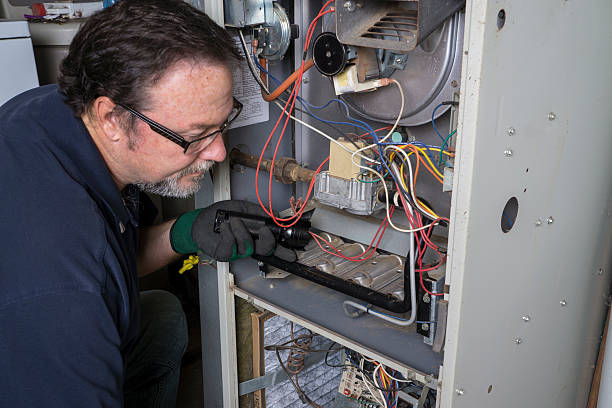
Improving the energy efficiency of your HVAC system not only reduces utility bills but also minimizes environmental impact. Here are 18 actionable ways to optimize the performance of your heating, ventilation, and air conditioning system.
Schedule Regular Air Conditioning Repair Miami Services
Routine maintenance ensures that your system runs smoothly throughout the year. Tasks such as cleaning coils, replacing filters, and inspecting components can improve efficiency and prolong system life.
Upgrade Your Thermostat and Find Reliable AC Repair Miami Services
Smart thermostats learn your habits and automatically adjust settings to reduce energy usage without compromising comfort. Features like remote control and scheduling can make a noticeable difference in overall energy consumption.
How to Seal Leaky Ductwork with an HVAC Company Miami, FL
Leaky ducts force your HVAC system to work harder by losing conditioned air into unconditioned spaces like attics or crawlspaces. Seal leaks with professional-grade duct sealing products or consider advanced options like Aeroseal technology for better results.
Tips for Proper AC Replacement Miami: Replace Air Filters Regularly
Dirty air filters obstruct airflow, forcing the unit to consume more energy than necessary. Replace filters every one to three months depending on usage and manufacturer recommendations.
5. Insulate Ductwork
Insulated ducts prevent heat loss or gain, ensuring that conditioned air remains at the desired temperature as it travels through the house.
6. Use Ceiling Fans Strategically
Ceiling fans circulate air more efficiently, allowing you to raise the thermostat setting in summer or lower it during winter without sacrificing comfort.
7. Install Energy-Efficient Windows
Windows with low-emissivity (Low-E) coatings reduce heat transfer and work alongside your HVAC system by maintaining indoor temperatures more effectively.
8. Invest in Proper Ventilation
Ensure proper ventilation throughout your home by using exhaust fans in kitchens and bathrooms while maintaining balanced airflow in all rooms.
9. Upgrade Old HVAC Systems
Older systems tend to be less efficient compared to their modern counterparts that comply with current SEER (Seasonal Energy Efficiency Ratio) standards.
| SEER Rating | Efficiency Level |
| Below SEER-13 | Low Efficiency |
| SEER-14 – SEER-16 | Moderate Efficiency |
| Above SEER-16 | High Efficiency |
10. Utilize Zoned Heating and Cooling Systems
Zoned systems allow you to customize temperatures for different areas within your home, ensuring no space is unnecessarily over-conditioned.
11. Optimize Your Thermostat Settings
Set thermostats at recommended temperatures: around 78°F (25°C) during summer when at home and 68°F (20°C) during winter for cost-effective operation.
12. Address Insulation Gaps
Check insulation levels in walls, ceilings, basements, or attics to prevent energy loss through poorly insulated surfaces.
13. Install Solar-Powered Attic Fans
These fans help expel hot air from attics during warmer months without consuming electricity from the grid.
14: Switch To ENERGY STAR® Certified Equipment
ENERGY STAR-rated products are independently certified based on stringent government standards ensuring their energy-saving capabilities align with modern efficiency goals.
| Feature | Standard Unit | ENERGY STAR Certified Unit |
| Energy Consumption | Higher | Lower |
| Operational Lifespan | Shorter | Longer |
| Environmental Compatibility | Limited | Eco-Friendly |
15: Control Humidity Levels Properly
Systems working harder managing high-humidity environments waste more unnecessary operating cycles .
Tips fin humidity
Key Benefits of Investing in a New Energy-Efficient HVAC System
Investing in a new energy-efficient HVAC system offers numerous advantages for homeowners. Beyond reducing energy bills, it improves overall comfort, minimizes your carbon footprint, and ensures long-term reliability. Here are some of the key benefits associated with upgrading to an energy-efficient system.
Reduced Energy Costs
- Variable-Speed Motors: Adjust the airflow to match your heating or cooling needs, reducing wasted energy.
- Improved SEER Ratings (Seasonal Energy Efficiency Ratio): Newer models typically have SEER ratings above 14, ensuring greater efficiency compared to older units.
- Smart Thermostats: Paired with modern HVAC systems, they allow precise control over temperature settings and schedules.
A new system can reduce your utility expenses by up to 20%-40%, depending on your current setup and local energy rates.
Enhanced Comfort Levels
- Zoning Technology: Allows different areas of your home to be heated or cooled independently.
- Enhanced Humidity Control: Keeps indoor humidity at comfortable levels year-round.
- Quieter Operation: Advanced designs minimize noise during operation.
These advancements ensure that every corner of your home feels comfortable regardless of the season.
Environmental Benefits
| Feature | Environmental Impact |
| High-efficiency compressors | Use less electricity, reducing fossil fuel reliance. |
| Eco-friendly refrigerants | Newer refrigerants have lower global warming potential. |
| Improved insulation design | Reduces heat loss or gain, lowering energy demand. |
Choosing eco-friendly options supports sustainability initiatives and helps create a greener planet.
Increased System Longevity
- Fewer breakdowns due to durable components.
- Extended warranties offered by manufacturers on high-efficiency models.
- Lower maintenance costs over time as parts are designed for durability.
Investing in a reliable system today reduces the likelihood of costly replacements or repairs in the near future.
Potential Tax Credits and Rebates
- Federal tax credits for qualified ENERGY STAR® appliances.
- State-specific rebates for high-efficiency HVAC installations.
- Discounts from utility providers for using less power during peak times.
Check with local organizations or contractors about available programs in your area.
Upgrading to an energy-efficient HVAC solution not only makes financial sense but also contributes significantly toward environmental conservation and enhanced quality of life at home. With these tangible benefits, it’s worth considering this investment as a step toward a more sustainable future.
Key Benefits of Investing in a New Energy-Efficient HVAC System
Upgrading to a new energy-efficient HVAC system offers significant advantages for homeowners. Not only does it improve comfort and air quality, but it also reduces energy consumption, resulting in substantial cost savings over time. Below, we outline the key benefits of investing in an energy-efficient HVAC system.
1. Lower Energy Costs
| HVAC Efficiency Level | Estimated Energy Savings |
| Standard Efficiency | Baseline Savings |
| High-Efficiency (SEER 15-20+) | 20%-50% Reduction in Utility Bills |
By reducing your energy consumption, you contribute not only to your financial well-being but also to environmental sustainability.
2. Enhanced Indoor Comfort
- Variable-Speed Motors: Ensure consistent airflow and reduce temperature fluctuations.
- Zoning Capabilities: Allow you to customize temperatures in different areas of your home.
- Advanced Filtration: Eliminates more dust, allergens, and pollutants for cleaner indoor air.
These features ensure a more comfortable living space tailored to your preferences while being eco-conscious.
3. Environmental Benefits
Energy-efficient HVAC systems minimize greenhouse gas emissions by consuming less fossil fuel-based energy sources. This helps reduce your home’s carbon footprint. By upgrading, you’re contributing positively toward global efforts aimed at combating climate change.
Key eco-friendly aspects include:
– Use of Eco-Friendly Refrigerants (such as R410A instead of R22).
– Compliance with ENERGY STAR® standards.
4. Improved System Longevity
Advanced technologies integrated into newer systems often reduce wear and tear, extending the lifespan of your equipment. Many high-efficiency units also come with extended warranties, giving you peace of mind for years after installation.
Key factors contributing to durability include:
– Efficient compressor operation.
– Reduced strain on components due to smart thermostats managing cycles effectively.
5. Potential Tax Credits and Rebates
Many governments and utility companies offer incentives like tax credits or rebates when you invest in an energy-efficient HVAC system that meets specific efficiency standards (e.g., ENERGY STAR® certified). These financial benefits can significantly offset the upfront costs associated with purchasing and installing a new system.
For example:
– Federal tax credits up to $600 for central air conditioners or heat pumps.
– Local rebates from utility providers based on Seasonal Energy Efficiency Ratio (SEER) ratings.
Final Thoughts on Upgrading Your System
Investing in an energy-efficient HVAC system is both a financially sound decision and an environmentally responsible one. With lower operating costs, improved comfort levels, environmental benefits, extended longevity, and potential incentives available for homeowners, modern high-efficiency systems represent a smart long-term investment for any household seeking optimal performance and savings.
Recognizing the Five Indicators That Your Air Conditioning Unit Requires Immediate Replacement
An air conditioning unit is essential for maintaining comfort in your home, especially during extreme weather conditions. However, like any other appliance, it has a finite lifespan. Over time, wear and tear can reduce its efficiency or even render it ineffective. Understanding the warning signs of a failing AC unit can help you act promptly and avoid costly repairs or discomfort. Below are five key indicators that signal it may be time to replace your air conditioning system.
1. Frequent and Costly Repairs
If you find yourself calling an HVAC technician repeatedly over a short period, this is a clear sign of trouble. While occasional maintenance is normal, frequent repairs often indicate that the system is nearing the end of its lifecycle.
Signs to watch out for:
– You’ve spent more than half the cost of a new AC unit on repairs within the past year.
– Parts like compressors or motors require constant servicing or replacement.
– The manufacturer warranty has expired, leaving you with out-of-pocket repair costs.
2. Rising Energy Bills Without Increased Usage
When your energy bills spike without any corresponding increase in AC usage, your system may no longer be operating efficiently. Older units often lose their ability to cool effectively over time, consuming more energy while delivering suboptimal results.
Possible reasons for inefficiency:
– Aging components such as coils and fans.
– Outdated technology not designed for modern energy standards.
– Leaks in refrigerant lines or ductwork causing energy loss.
3. Inconsistent Cooling Throughout Your Home

Uneven cooling can make some rooms uncomfortably warm while others remain chilly. This inconsistency suggests your air conditioning unit is struggling to distribute air evenly or maintain desired temperatures across all spaces.
Common causes include:
– Failing internal components such as blowers or compressors.
– Poor duct design or airflow restriction due to wear.
– A miscalculated system size that’s either too small or too large for your home.
4. Excessive Noise During Operation
Modern AC units are designed to operate quietly; loud or unusual noises often indicate underlying issues that could lead to breakdowns if ignored.
Types of noises and their implications:
| Noise Type | Possible Cause | Action Required |
|——————|———————————|——————————–|
| Loud banging | Loose or broken components | Immediate inspection needed |
| Hissing sounds | Refrigerant leaks | Seek professional assistance |
| Screeching | Worn-out belts or motor bearings| Replacement recommended |
A noisy system not only disrupts peace but also signals something’s wrong inside the unit.
5. The System Is Over 10–15 Years Old
Most air conditioners have an average lifespan of 10–15 years when properly maintained. Beyond this period, performance generally declines significantly despite routine upkeep.
Why age matters:
Older systems:
1) Lack advanced energy-efficient technology available in modern units.
2) Are more prone to breakdowns due to outdated parts and materials.
3) May use phased-out refrigerants like R-22, which are expensive and environmentally unfriendly.
If your unit exceeds this age range and exhibits one or more of the symptoms above, replacement should be strongly considered over repair options.
Benefits of Prompt Replacement
Addressing these indicators promptly can save homeowners from:
1) Increasing repair costs
2) Unnecessary spikes in utility bills
3) Discomfort caused by inconsistent cooling performance during peak seasons.
Replacing an outdated AC unit with an energy-efficient model not only enhances comfort but also aligns with sustainability goals by reducing environmental impact through lower energy consumption levels long-term
Why Proper Duct Sizing and Design Is Crucial for HVAC Performance
Proper duct sizing and design play an essential role in ensuring the efficient performance of your HVAC system. Many homeowners focus primarily on the HVAC unit itself, but the ductwork is often a silent contributor to energy efficiency, comfort, and indoor air quality. Here’s a closer look at why well-designed ducts are vital—and how improper sizing or configuration can lead to reduced performance and increased costs.
The Role of Ductwork in HVAC Systems
Ductwork serves as the distribution network for heating and cooling within your home. Air flows through these ducts to reach various rooms, maintaining comfortable temperatures year-round. However, if ducts are poorly designed or sized incorrectly, the efficiency of this distribution process diminishes significantly.
Negative Effects of Improper Duct Sizing
- Uneven Temperature Distribution: Rooms may become too hot or too cold due to imbalanced airflow.
- Increased Energy Costs: Undersized ducts force your HVAC system to work harder, consuming more energy.
- Reduced Comfort: Poorly sealed or oversized ducts can lead to inconsistent airflow and uncomfortable indoor conditions.
- Shortened Equipment Lifespan: Overworked HVAC systems wear out faster, leading to costly repairs or replacements sooner than expected.
- Compromised Indoor Air Quality: Leaky ducts can pull in dust, mold spores, and pollutants from unconditioned spaces like attics or crawlspaces.
Key Principles of Proper Duct Design
- Appropriate Sizing: Ducts should be sized according to recognized industry standards such as those outlined by ACCA (Air Conditioning Contractors of America). This ensures proper airflow rates based on the size and layout of your home.
- Efficient Layout: A shorter duct run with minimal bends improves airflow while reducing friction losses.
- Sealing Leaks: All connections must be sealed tightly using mastic sealant or metal tape—never regular duct tape—to prevent air leakage.
- Balancing Airflow: Supply and return vents should be evenly distributed throughout your home for balanced heating/cooling.
- Proper Insulation: In unconditioned spaces (e.g., attics), duct insulation prevents heat loss during winter months or heat gain during summer months.
| Problem Area | Solution | Impact |
| Undersized Ducts | Resize according to load requirements | Reduces strain on system; improves comfort |
| Oversized Ducts | Install appropriately-sized replacements | Enhances system efficiency |
| Leaky Connections | Seal with mastic/sealant | Prevents energy loss; improves air quality |
Benefits of Correctly Sized and Designed Ductwork
- Consistent temperatures across all rooms
- Reduced utility bills due to optimized energy use
- Improved indoor air quality by minimizing contaminants
- Quieter operation with less noise from airflow turbulence
- Increased lifespan of your heating and cooling equipment
Proper duct sizing is not just about efficiency—it directly impacts comfort, durability, and operation costs over time. Engaging an experienced HVAC contractor for a thorough evaluation ensures that every component aligns perfectly with your home’s heating and cooling needs.
How Programmable Controls and Smart Thermostats Can Optimize Your HVAC System
Benefits of Programmable Controls
- Customized Temperature Schedules: Homeowners can set different temperatures for various times of the day, ensuring the system works only when needed. For instance:
- Lower temperatures at night during winter.
- Reduced cooling during daytime hours when no one is home.
- Energy Savings: By reducing unnecessary heating or cooling during unoccupied periods, programmable controls significantly lower energy bills.
- Consistent Comfort: These devices maintain optimal indoor conditions without frequent manual adjustments.
Features of Smart Thermostats
Smart thermostats go beyond basic programmability by incorporating advanced technology. They offer features like remote access, learning capabilities, and integration with other smart devices.
| Feature | Benefit |
| Wi-Fi Connectivity | Control your thermostat from anywhere using a smartphone or tablet. |
| Learning Algorithms | Automatically adjust settings based on usage patterns and preferences. |
| Energy Usage Reports | Monitor energy consumption to identify opportunities for efficiency. |
| Voice Control | Integrate with smart home systems like Alexa or Google Assistant for hands-free operation. |
How They Optimize HVAC Efficiency
- Reduced Energy Waste: Intelligent settings ensure the system isn’t overworking when it’s unnecessary.
- Zoning Capabilities: Some models allow you to control temperature settings in specific areas or rooms.
- Proactive Maintenance Alerts: Advanced systems notify you about filter changes or potential issues before they escalate.
- Seasonal Programming Flexibility: Easily adjust schedules to account for seasonal variations in heating and cooling needs.
Tips for Getting the Most Out of Your Devices
- Ensure proper installation by an experienced HVAC contractor.
- Regularly update firmware to keep features current.
- Set realistic temperature schedules based on occupancy patterns.
- Pair your thermostat with an energy-efficient HVAC system to amplify savings.
Smart technology is transforming how we interact with our homes’ climate control systems, offering convenience, energy efficiency, and significant cost savings over time. By leveraging these tools effectively, homeowners can enjoy greater comfort while reducing their carbon footprint.
Achieve Greater HVAC Efficiency with Aeroseal Duct Sealing Technology
Improving the efficiency of your HVAC system is essential for reducing energy bills, enhancing comfort, and maintaining a sustainable home. One often-overlooked factor affecting HVAC performance is the condition of your ductwork. Leaky ducts can result in significant energy losses and uneven heating or cooling throughout your home. Aeroseal duct sealing technology provides an innovative solution to address these issues effectively.
What is Aeroseal Duct Sealing?
Aeroseal duct sealing is a modern, patented technology that identifies and seals leaks in your home’s duct system from the inside. The process uses an aerosol-based sealant that is blown into the ductwork, targeting even the smallest cracks, holes, or gaps without requiring major reconstruction or invasive methods.
Key features of Aeroseal technology include:
– Non-invasive application process
– The ability to seal leaks as small as 0.1 inches in diameter
– Compatibility with various types of ductworks
– Long-lasting results without compromising airflow
Benefits of Aeroseal Duct Sealing
- Sealed ducts prevent conditioned air from escaping, reducing energy consumption and lowering utility bills by up to 30%.
- Improves overall system efficiency by ensuring all cooled or heated air reaches its intended destination.
- Eliminates hot or cold spots caused by uneven airflow within the home.
- Maintains consistent temperatures across all rooms for improved comfort.
- Minimizes dust, allergens, and pollutants entering through leaks in ductwork—ideal for homes with allergy sufferers or respiratory concerns.
- Reduces strain on your HVAC equipment by optimizing airflow and preventing overworking due to air loss.
- Lower energy use reduces your carbon footprint, supporting sustainability goals for eco-conscious homeowners.
How Does Aeroseal Work?
- Assessment: A professional contractor evaluates the state of your duct system and identifies areas suffering from leakage using advanced diagnostic tools.
- Sealing Process: A non-toxic aerosol mist containing polymer particles is injected into the duct system under controlled pressure conditions. When escaping through holes or cracks, particles collect around leaks until they are fully sealed.
- Verification/Demonstration: After sealing is complete, technicians measure results using real-time diagnostics to verify reductions in leakage rates and provide you with accurate before-and-after data.
| Step | Action | Outcome |
| Assessment | Inspection of ducts & tools used | Identification of leaks |
| Sealing | Injection via aerosol delivery particles fill gaps/material solidifies airtight/seamlessly verified |
Achieve Greater HVAC Efficiency with Aeroseal Duct Sealing Technology
When it comes to maximizing the efficiency of your HVAC system, one often overlooked factor is the condition of your ductwork. Duct leaks are a common issue in many homes and can significantly impact energy consumption, indoor comfort, and utility costs. Aeroseal duct sealing technology offers an innovative solution to this problem by addressing leaks from the inside out. Here’s how Aeroseal works and why it’s worth considering for improved HVAC efficiency.
What Is Aeroseal Duct Sealing Technology?
Aeroseal is a patented duct sealing process designed to locate and seal leaks within your ductwork using a specialized aerosol-based sealant. Instead of manually inspecting ducts for gaps or cracks, this cutting-edge technology uses pressurized air mixed with polymer particles that target holes and seal them effectively.
The unique approach makes it possible to repair leaks even in hard-to-reach areas, ensuring an airtight system without requiring extensive renovations.
Benefits of Aeroseal Duct Sealing:
- Leaking ducts force HVAC systems to work harder to meet desired temperatures, increasing energy consumption. By sealing these leaks, you reduce wasteful energy loss—often improving efficiency by up to 30%.
- With less energy being wasted, homeowners typically notice significant savings on monthly heating and cooling costs after applying Aeroseal technology.
- Leaks in ductwork can pull in dust, allergens, and pollutants from attics or crawl spaces and circulate them throughout your home. Sealing these gaps prevents contaminants from entering the airflow system.
- Duct leaks can cause uneven heating or cooling across rooms due to improper air distribution. After sealing with Aeroseal, you’ll experience more consistent temperatures throughout your living spaces.
- When ducts are sealed effectively, your HVAC system doesn’t need to overcompensate for lost airflow. This reduces wear and tear on components such as blowers or compressors, prolonging equipment lifespan.
How Does the Aeroseal Process Work?
| Step | Description |
| 1 | The technician seals off vents and registers to isolate the duct system completely. |
| 2 | Pressurized air filled with polymer-based particles is injected into the ducts. |
| 3 | These tiny particles adhere only where leaks are present (e.g., cracks or gaps). |
| 4 | A computer monitors progress in real-time to ensure all significant leaks are sealed. |
| 5 | Once completed, technicians provide a report detailing pre- and post-sealing results. |
This efficient process often takes just a few hours depending on the size of your home’s ductwork system—making it both time-saving and effective.
Is Aeroseal Worth It?
For homeowners looking to reduce energy costs while improving indoor comfort levels, investing in Aeroseal duct sealing technology is a solution worth exploring. While there may be upfront costs associated with professional installation services, the long-term savings on utility bills combined with improved HVAC performance make it a cost-effective choice over time.
By ensuring that conditioned air reaches its intended destination without unnecessary loss along the way, you can enjoy optimized heating or cooling while reducing your carbon footprint—a win-win for both you and the environment.
- How Air Conditioning Repair Miami Services Can Help Prevent Costly Replacements
- Understanding the Value of Miami HVAC Replacement to Prevent Expensive Repairs
- Understanding How an HVAC Company Miami, FL Can Extend the Lifespan of Your System
- Top 18 Tips for a More Energy-Efficient Miami HVAC System
- Exploring How Technology Enhances Miami HVAC Energy Efficiency and Performance
- Ensuring Efficient System Performance with Air Conditioning Repair Miami Services
- Signs That Your Miami HVAC System Needs Immediate Replacement