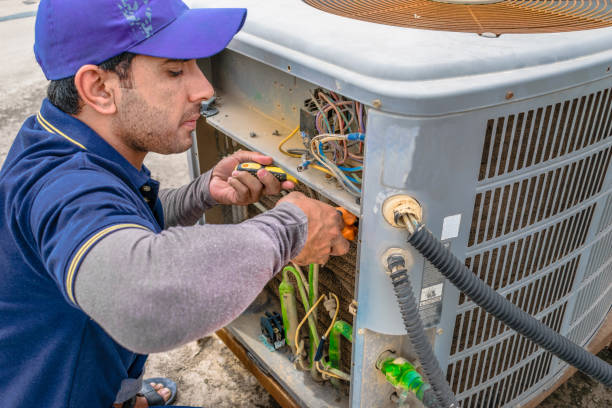
The lifespan of an HVAC system is not etched in stone; it depends on a variety of factors. Understanding these influencing variables can help homeowners and business owners make informed decisions about maintenance, repairs, or replacements. Below are some key aspects that play a significant role in determining how long your HVAC system will last.
1. Quality of Installation
A properly installed HVAC system is more likely to function efficiently and last longer. Poor installation practices, such as incorrect sizing or improper placement of components, can lead to operational inefficiencies and premature wear.
Key considerations for proper installation:
– Ensure compatibility between the unit size and the building’s square footage.
– Hire certified professionals who follow industry standards.
– Verify that all ductwork is sealed and insulated appropriately.
2. Routine Maintenance
Regular maintenance is one of the most critical factors that influence an HVAC system’s longevity. Without routine check-ups, minor issues can escalate into costly repairs or irreversible damage.
Maintenance tips to extend lifespan:
– Replace air filters every 1–3 months to maintain airflow quality.
– Schedule annual inspections by licensed HVAC contractors for both heating and cooling systems.
– Clean condenser coils and other external components to avoid dirt buildup.
3. Usage Patterns
How frequently you use your system also impacts its durability. Overuse, particularly in extreme climates, places additional strain on components like compressors and fans.
Energy-saving practices that reduce strain:
– Use programmable thermostats to optimize temperature settings based on occupancy schedules.
– Seal windows and doors properly to limit heat exchange with the exterior environment.
– Utilize ceiling fans to reduce reliance on the HVAC system during milder weather conditions.
4. Type and Quality of Equipment
Not all HVAC systems are created equal. The quality of the materials, brand reputation, and technology used in manufacturing greatly affect performance and longevity.
Considerations when selecting equipment:
| Equipment Type | Typical Lifespan | Additional Notes | |———————|——————|———————————————————————-| | Central Air Systems | 15–20 years | Requires regular filter replacement for optimal function | | Furnaces | 20–30 years | Gas furnaces often outlast electric models | | Heat Pumps | 10–15 years | Lifespan may decrease with heavy use in extreme climates |
Investing in high-quality equipment may involve higher upfront costs but often results in fewer repair needs over time.
5. Environmental Factors
External environmental conditions—such as humidity levels, air quality, or exposure to corrosive elements—can accelerate wear on your HVAC system’s components.
How to mitigate environmental stressors:
– Install a whole-house dehumidifier if you live in a humid climate.
– Use air purifiers or high-efficiency particulate air (HEPA) filters in areas prone to pollution.
– Apply protective coatings on outdoor units if exposed to salt-laden air near coastal regions.
By taking these factors into account, you can maximize your HVAC system’s efficiency while prolonging its service life through proactive care and sound decision-making.
Key Considerations for Choosing AC Replacement Miami Services Over Repairs
When your heating, ventilation, and air conditioning (HVAC) system starts showing signs of wear or inefficiency, you may find yourself debating whether to pursue repairs or invest in a replacement. This decision can have a long-term impact on comfort, energy efficiency, and costs. Below are key considerations to help determine when replacement is the better option over repairs.
1. Frequency and Cost of Repairs
| Repair Scenario | Estimated Costs | Recommendation |
| Single repair per year | $300–$500 annually | Continue with repairs |
| Frequent repairs (3+ times/year) | $1,000+ annually | Consider replacement |
| Major component failure (e.g., compressor) | $2,000–$4,000 | Prioritize replacement |
2. System Age
- Air Conditioners: Typically last 10–15 years.
- Furnaces: May last up to 20 years.
- Heat Pumps: Average lifespan is around 10–15 years.
If your system is nearing or has exceeded its expected lifespan and is no longer operating efficiently despite maintenance efforts, it may be time to replace it rather than investing in costly and temporary fixes.
3. Energy Efficiency
- Reduced energy consumption.
- Lower monthly utility bills.
- Improved environmental sustainability due to reduced carbon footprint.
Energy-efficient models with high SEER (Seasonal Energy Efficiency Ratio) ratings or Energy Star certifications are particularly beneficial for long-term savings.
4. Comfort and Performance Issues
- Uneven heating/cooling between rooms.
- Persistent humidity issues.
- Unusual noises during operation.
Replacing the unit ensures improved performance while eliminating recurring inconveniences.
5. Compatibility with New Technology
Modern HVAC systems come with features such as smart thermostats, zoned temperature control, and variable-speed motors that enhance convenience and efficiency. Retrofitting older systems with such technology can be challenging or impossible; opting for a new installation ensures compatibility with these advancements.
By carefully weighing these factors—repair frequency and cost, system age, energy efficiency needs, comfort issues, and technological compatibility—you can make an informed decision about whether HVAC replacement is the right choice for your home or business needs. A professional evaluation from an experienced contractor can also provide valuable insights tailored to your specific situation.
Understanding the Average Lifespan of Common Miami HVAC Systems
The lifespan of an HVAC system is a key factor in determining when repairs or replacements are necessary. While many homeowners may delay HVAC replacement to save costs, understanding the average lifespan of common systems can help make proactive decisions. Below, we break down the expected lifespans of typical HVAC components and discuss factors that can influence their longevity.
Average Lifespan by System Type
| HVAC System Type | Average Lifespan |
| Central Air Conditioning Units | 12–15 years |
| Furnaces (Gas) | 15–20 years |
| Heat Pumps | 10–15 years |
| Boilers | 20–30 years |
| Ductless Mini-Split Systems | 12–15 years |
While these numbers provide a general guideline, it’s important to note that proper maintenance plays a significant role in whether an HVAC system reaches or exceeds its expected lifespan. Below are some factors that influence how long these systems operate effectively.
Key Factors That Impact System Longevity
- Usage Patterns: Systems that run for extended hours daily typically experience faster wear and tear compared to those used intermittently.
- Maintenance Frequency: Regular servicing such as filter changes, duct cleaning, and inspections ensure components remain in good condition over time. Neglecting maintenance often reduces lifespan.
- System Quality: The brand and manufacturing quality of an HVAC system directly affect its durability. Premium systems from reputable brands often last longer than budget options.
- Installation Quality: Poor installation techniques may lead to inefficiencies, excessive wear on parts, and shorter operational timelines for any HVAC equipment.
- Climate Conditions: Systems operating in extreme weather conditions (e.g., excessive heat or freezing temperatures) endure more strain than those located in moderate climates.
- Energy Efficiency Ratings (SEER/AFUE): High-efficiency systems designed with advanced technology tend to last longer due to reduced operational stress.
Tips for Prolonging System Life
- Perform annual professional inspections to detect early issues before they escalate into costly repairs or replacements.
- Change air filters regularly—typically every one to three months—to improve airflow and reduce strain on the unit.
- Address minor repairs promptly to prevent damage from spreading to other components.
- Ensure your ductwork is properly sealed to avoid unnecessary airflow loss and increased workload on your system.
Maintenance vs Replacement Decisions
- If a repair costs more than half the price of a new unit and your current system is nearing its end-of-life phase (e.g., over 12 years old for an air conditioner), replacement might be the better solution.
- Regular energy bill spikes could also indicate that older equipment no longer operates at peak efficiency, signaling it might be time for an upgrade.
Understanding these average lifespans and actionable tips ensures you can make informed decisions about maintaining or replacing your HVAC system while avoiding unexpected breakdowns during critical seasons like summer or winter.
Exploring the Benefits of Opting for Professional HVAC System Replacement
When the time comes to replace your HVAC system, choosing a professional HVAC contractor is critical. While some homeowners may consider taking a DIY approach or hiring an unlicensed contractor to save costs, professional replacement offers numerous advantages that far outweigh any initial savings. Below, we dive into the key benefits of opting for professional HVAC system replacement.
1. Expertise and Technical Knowledge
Licensed and experienced HVAC contractors possess in-depth knowledge of heating, ventilation, and air conditioning systems.
This expertise ensures:
– Proper assessment of your home’s specific needs.
– Accurate sizing of the HVAC unit based on factors like square footage, insulation, and climate.
– Precise installation according to manufacturer guidelines and industry standards.
An improperly installed system can lead to inefficiencies, higher energy bills, and frequent breakdowns. Professionals eliminate these risks through their technical proficiency.
2. Access to Advanced Tools and Equipment
Professional contractors have access to specialized tools and equipment required for a seamless installation process. These tools are often unavailable to the average homeowner or unlicensed technicians.
Proper use of advanced equipment ensures:
– Precise calibration of the system for optimal performance.
– Safe handling of refrigerants in compliance with environmental regulations.
– Accurate testing after installation to verify efficiency.
3. Enhanced Energy Efficiency
A new HVAC system installed by certified professionals is set up optimally for energy savings.
Key benefits include:
– Reduced energy consumption due to proper installation techniques.
– Improved indoor comfort with consistent heating or cooling cycles.
– Long-term cost savings on utility bills.
Additionally, licensed contractors can recommend energy-efficient models that qualify for rebates or tax incentives, further lowering your costs.
4. Warranty Protection
Most HVAC systems come with a manufacturer’s warranty that covers specific repairs or replacements within a designated timeframe. However, warranties are typically void if the system is installed improperly or by an unlicensed individual.
Professional replacement ensures:
– Compliance with manufacturer requirements.
– Documentation needed for warranty claims.
This added layer of protection offers peace of mind in case unexpected issues arise.
5. Adherence to Local Codes and Regulations
HVAC installations must comply with local building codes and safety standards. Professional contractors are well-versed in these regulations, ensuring:
– Proper permitting processes are completed where required.
– Safe operation that prevents hazards such as gas leaks or electrical issues.
Non-compliance during DIY attempts can result in penalties or unsafe living conditions.
Benefits at a Glance
| Aspect | DIY/Unlicensed Contractor | Professional Installation |
| Expertise | Limited | Extensive |
| Warranty Validity | Risk of voiding | Fully protected |
| Safety Compliance | May overlook standards | Fully compliant |
| Energy Efficiency | Potentially inefficient | Optimized efficiency |
Final Thoughts

Professional HVAC system replacement provides unmatched value by ensuring safe installation, maximum efficiency, and long-term cost savings while preserving warranties. Partnering with a licensed contractor ultimately safeguards your investment in home comfort systems while minimizing future risks associated with improper installations.
Essential Tips to Spot When You Need Air Conditioning Repair Miami
Replacing an air conditioning (AC) system can be a significant investment, but knowing when it’s time for a replacement can save you money in the long run and ensure consistent comfort in your home or office. Here are some key indicators that it may be time to consider replacing your air conditioning system.
1. Frequent Repairs and Rising Costs
If your AC system requires frequent repairs, it may indicate the overall health of the unit is deteriorating. Repair costs can quickly add up, and at some point, it may make more financial sense to invest in a new system.
Signs frequent repairs are becoming an issue:
– Increasing repair bills within a short timeframe
– Components breaking down repeatedly
– Difficulty finding replacement parts due to older models being discontinued
2. Inefficient Energy Performance
Older systems typically lose efficiency over time, leading to higher energy consumption and increased utility bills. If you notice your energy costs rising despite regular maintenance and no change in usage patterns, this could suggest that your AC is not operating efficiently.
Key indicators of inefficiency:
– Consistently high energy bills during peak seasons
– Your system struggles to maintain desired temperatures
– A lower Seasonal Energy Efficiency Ratio (SEER) rating compared to modern systems
Upgrading to a new unit with higher energy efficiency ratings can significantly reduce operating costs over its lifespan.
3. Age of the Air Conditioning System
The average lifespan of most air conditioners is approximately 10–15 years with proper care and maintenance. If your unit has exceeded this range, it might not be worth investing further in repairs or upgrades.
| AC System Age | Recommendation |
| < 10 years | Repairs are likely cost-effective if issues arise |
| 10–15 years | Evaluate repair vs replacement carefully |
| > 15 years | Replacement is usually the best option |
4. Uneven Cooling or Poor Airflow
When an AC begins producing uneven cooling or weak airflow, it could signify deeper mechanical problems such as failing compressors or clogged ductwork. These issues often become more expensive to fix as they worsen over time.
Common symptoms include:
- Hot and cold spots throughout your property
- Weak airflow even at maximum settings
- Persistent humidity indoors despite running the AC
5. Use of Outdated Refrigerants
If your air conditioner relies on refrigerants like R-22 (commonly known as Freon), which have been phased out due to environmental regulations, you may need a replacement sooner rather than later. Modern systems use eco-friendly refrigerants that are not only better for the environment but also help improve efficiency.
Why outdated refrigerants are problematic:
– Limited availability increases servicing costs
– Not compliant with current environmental standards
– Higher likelihood of leaks due to aging components
Final Thoughts on Timely Replacement Decisions
Pay attention to these warning signs when evaluating whether it’s time for a new air conditioning system. By acting promptly instead of delaying decisions, you can avoid unexpected breakdowns during peak usage periods while also benefiting from increased comfort and energy savings offered by newer models.
The Role of an Expert HVAC Contractor in Ensuring Efficient System Replacement
When it comes to replacing an HVAC system, the expertise of a professional HVAC contractor cannot be overstated. A qualified contractor not only ensures that the replacement process is smooth but also guarantees optimal performance and energy efficiency for years to come. Below, we’ll explore how an expert HVAC contractor plays a pivotal role in ensuring efficient system replacement.
Comprehensive Assessment of Your Current System
Before replacing your HVAC system, an experienced contractor will conduct a thorough evaluation of your existing setup.
This includes:
– Inspecting ductwork for leaks, damage, or inefficiencies.
– Assessing the size and type of the current unit relative to the home’s heating and cooling needs.
– Evaluating insulation levels and airflow patterns to determine any weaknesses in energy efficiency.
This initial assessment helps pinpoint underlying issues that may affect your new system’s performance if left unaddressed.
Proper System Sizing
One of the most critical factors in HVAC replacement is selecting a unit that is properly sized for your space. A trained contractor will perform detailed load calculations, taking into account variables like:
– The square footage of your home.
– The climate zone where you reside.
– Window placement and insulation quality.
– Occupancy patterns and energy usage habits.
Installing an incorrectly sized unit—whether it’s too large or too small—can lead to inefficiencies, increased utility bills, and unnecessary wear on components.
Ensuring Proper Installation Techniques
The installation process has a significant impact on how well your new HVAC system operates over its lifespan. An expert contractor follows industry best practices during installation by:
1. Verifying proper sealing around connections and ductwork to prevent energy loss.
2. Testing refrigerant levels to ensure they meet manufacturer specifications.
3. Positioning outdoor units in locations with adequate airflow while avoiding obstructions like shrubs or fences.
4. Confirming thermostat compatibility and function for seamless integration with the new system.
These meticulous steps help maximize efficiency and enhance overall performance.
Adherence to Safety Standards
Professional contractors comply with local codes, regulations, and safety standards throughout the replacement process. Tasks such as managing electrical connections, handling refrigerants responsibly, and following ventilation guidelines require technical knowledge that only licensed professionals possess.
| Safety Task | Importance |
| Managing Electrical Connections | Prevents fire hazards or malfunctioning equipment due to improper wiring |
| Refrigerant Handling | Avoids environmental harm caused by leaks; ensures proper cooling function |
| Ventilation Setup | Reduces risk of carbon monoxide buildup; maintains safe indoor air quality |
Failure to meet these standards can result in costly repairs down the line or potentially hazardous conditions.
Recommendations for Energy-Efficient Upgrades
An experienced HVAC contractor often provides guidance on modern energy-efficient systems that align with current technological advancements and environmental standards. This can include suggestions like upgrading to:
– Smart thermostats for enhanced control over heating/cooling schedules.
– High SEER (Seasonal Energy Efficiency Ratio) units that lower long-term energy costs.
– Systems equipped with variable-speed compressors for quieter operation.
These recommendations help homeowners make informed decisions about their investment while optimizing comfort levels year-round.
Post-Replacement Support & Maintenance Plans
A reliable contractor doesn’t stop at installation—they offer ongoing support through maintenance plans designed to extend the life of your new system. Services may include regular inspections, filter replacements, cleaning components like coils or blowers, and troubleshooting potential issues before they escalate.
By working with an expert HVAC contractor during a system replacement project, homeowners can enjoy improved indoor comfort, reduced operating costs, and peace of mind knowing their investment is protected by skilled workmanship tailored specifically to their needs.
Expert Tips for Choosing the Best AC Repair Miami Professionals for Reliable Upgrades
When it comes to upgrading an HVAC system, the expertise of a qualified contractor can make all the difference. A well-executed installation or upgrade not only ensures better performance but also enhances the longevity of your system. Below, we discuss why hiring a skilled HVAC contractor is vital for reliable upgrades.
Expertise and Specialized Knowledge
Qualified HVAC contractors possess extensive knowledge and training in handling various types of systems.
They are well-versed in:
– Assessing your current setup to determine upgrade requirements.
– Recommending energy-efficient models suited to your space and climate.
– Ensuring proper sizing of equipment to prevent inefficiencies related to underpowered or oversized systems.
An expert contractor ensures that every aspect of the installation aligns with industry standards.
Proper Installation Techniques Ensure Efficiency
Improper installation can diminish the performance and efficiency of even the most advanced HVAC systems. A qualified contractor will:
1. Follow manufacturer guidelines during installation to ensure warranty compliance.
2. Verify that ductwork is properly sealed, minimizing energy loss.
3. Ensure refrigerant levels are accurate for optimal cooling performance.
By adhering to these practices, contractors help prevent common issues like uneven heating/cooling or excessive energy consumption.
Compliance with Regulations and Safety Standards
HVAC upgrades involve technical processes that must comply with local codes and safety regulations:
– Permits: Licensed contractors know which permits are required for system upgrades in your locality. This saves you from potential legal complications later.
– Safety Protocols: Tasks like electrical connections, refrigerant handling, and gas line modifications require attention to safety standards that only trained professionals can provide.
Hiring a certified contractor gives peace of mind knowing that every step meets legal and safety requirements.
Cost-Efficiency Over the Long Term
While DIY installations or hiring unlicensed individuals might seem cost-effective upfront, they can lead to expensive repairs down the road due to errors or subpar materials. Professional contractors help reduce costs over time by:
– Installing systems efficiently, reducing wear-and-tear on components.
– Guiding you toward high-quality equipment with strong warranties.
– Conducting detailed inspections post-installation to identify potential problems early on.
Investing in professional service minimizes expensive maintenance bills later.
Tools, Technology, and Resources at Their Disposal
| Tool/Resource | Purpose |
| Advanced diagnostic software | Identifies inefficiencies within existing systems |
| Specialized vacuum equipment | Safeguards against moisture contamination during refrigerant handling |
| Load calculation tools | Ensures precise system sizing based on your home’s unique requirements |
These resources allow professionals to deliver precise results that would be difficult without specialized training and equipment.
Post-Installation Support & Maintenance
Another key benefit of hiring a professional is ongoing support after installation:
– Warranty Assistance: Contractors often assist clients in understanding warranty terms or filing claims if needed.
– Maintenance Plans: They may offer routine servicing packages to keep your upgraded HVAC system running smoothly.
This level of support ensures long-term satisfaction with your investment while maintaining optimal performance year-round.
Choosing a qualified HVAC contractor not only guarantees a reliable upgrade but also provides lasting value through energy savings, enhanced comfort, and peace of mind.
Why Hiring a Qualified HVAC Contractor is Essential for Reliable System Upgrades
Upgrading your HVAC system is a substantial investment that directly impacts your home’s comfort, energy efficiency, and overall value. While it may be tempting to cut corners by hiring the cheapest contractor or attempting a do-it-yourself (DIY) approach, working with a qualified HVAC contractor is critical to ensuring the success of your upgrade. Below are essential reasons why hiring an experienced professional matter.
Expertise and Industry Knowledge
- Recommend systems suited to your home’s size, layout, and climate needs.
- Stay updated on the latest industry standards, safety protocols, and building codes.
- Properly size equipment to ensure optimal performance and prevent overloading or inefficiencies.
Ensuring Precise Installation
- Accurately calculating load requirements using tools like Manual J calculations.
- Verifying proper ductwork design and connections for adequate airflow.
- Conducting performance tests after installation to ensure the system meets specifications.
Long-Term Cost Savings
- Correct setup of equipment that maximizes energy efficiency.
- Use of quality materials that enhance durability.
- Providing warranties on labor and parts for added peace of mind.
When you rely on an expert contractor, you’re less likely to face recurring costs associated with poor workmanship.
Compliance with Safety Standards
- Follow all local regulations concerning environmental safety standards (e.g., refrigerant disposal).
- Ensure proper ventilation during the upgrade process to prevent issues like carbon monoxide leaks.
- Test safety controls post-installation to verify functionality.
This level of compliance protects both your household’s well-being and the integrity of your property.
Access to Advanced Tools & Equipment
| Tools/Equipment | Purpose | Benefit |
| Digital Manometers | Measuring system pressure | Ensures accurate balancing |
| Refrigerant Recovery Machines | Safe refrigerant removal/disposal | Environmental compliance |
| Combustion Analyzers | Testing heating unit emissions | Maximizes efficiency & reduces risk |
These tools enhance precision while protecting your investment.
Comprehensive Maintenance Plans
- Early detection of potential problems before they escalate.
- Improved energy efficiency due to clean filters and optimized components.
- Extended equipment life through routine care.
By partnering with a skilled contractor who also offers maintenance services, you secure long-term reliability for your upgraded system.
Conclusion
Hiring a qualified HVAC contractor ensures not only reliable upgrades but also peace of mind knowing the job is done right from start to finish. From proper sizing calculations and safety compliance measures to offering warranties on labor, trained professionals bring unmatched value when upgrading an essential component of your home’s infrastructure like an HVAC system.
- How Air Conditioning Repair Miami Services Can Help Prevent Costly Replacements
- Understanding the Value of Miami HVAC Replacement to Prevent Expensive Repairs
- Understanding How an HVAC Company Miami, FL Can Extend the Lifespan of Your System
- Top 18 Tips for a More Energy-Efficient Miami HVAC System
- Exploring How Technology Enhances Miami HVAC Energy Efficiency and Performance
- Ensuring Efficient System Performance with Air Conditioning Repair Miami Services
- Signs That Your Miami HVAC System Needs Immediate Replacement