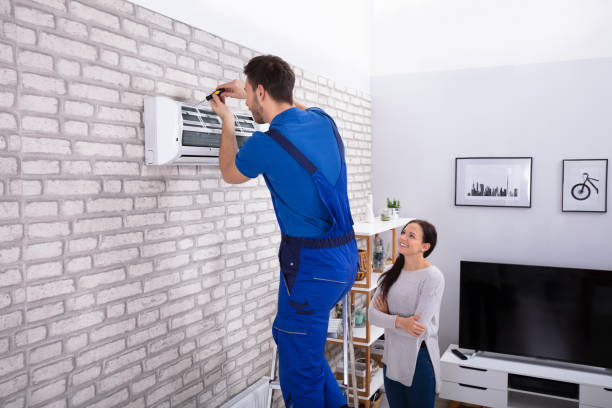
HVAC systems play an essential role in maintaining indoor comfort, regardless of the season. However, as these systems age and experience wear and tear, their efficiency decreases, and the likelihood of costly breakdowns increases. Recognizing when it’s time to replace your HVAC system can save you both hassle and money in the long run.
Signs Your HVAC System May Need Replacement
- Age of the System: Most HVAC systems have a lifespan of 10–15 years. If your system is older than this, it may be time to consider a replacement.
- Frequent Repairs: If you find yourself regularly calling for repairs, those costs can quickly add up. At some point, replacing the unit may be more cost-effective than continually fixing it.
- Rising Energy Bills: A declining HVAC system often struggles with efficiency, causing your energy bills to increase noticeably over time.
- Inconsistent Heating or Cooling: Rooms that are too hot or cold despite thermostat adjustments could signal that your system is no longer operating efficiently.
- Unusual Noises or Odors: Grinding sounds, rattling noises, or odd smells can indicate major mechanical failure.
Benefits of Replacing an Outdated HVAC System
- Increased Energy Efficiency
Modern HVAC systems are designed to meet higher energy-efficiency standards. Features such as variable-speed motors and smart thermostats reduce overall energy consumption while keeping your home comfortable. - Lower Maintenance Costs
A new unit comes with fewer repair needs compared to an aging one. Additionally, most new systems come with warranties covering parts and labor for several years. - Enhanced Indoor Air Quality (IAQ)
Advanced filtration systems in newer models help remove allergens, pollutants, and moisture from the air more effectively than older units. - Better Environmental Impact
Upgrading to an efficient model reduces your carbon footprint by using less energy. Many contemporary units also comply with updated refrigerant regulations aimed at protecting the environment.
| Feature | Old Systems | New Systems |
| Energy Efficiency | Low | High |
| Repair Frequency | Frequent | Minimal |
| Indoor Air Quality | Basic filtration | Advanced filtration options |
| Environmental Impact | Higher emissions | Lower emissions |
Planning for Timely Replacement
- Schedule annual professional inspections to assess its condition.
- Keep track of repair costs over time; if they exceed 50% of replacement costs, consider upgrading.
- Explore financing options or utility incentives that might ease the upfront cost burden of installing a new unit.
Making proactive decisions about replacing an outdated HVAC system ensures continued comfort in your home while preventing excessive expenditures on repairs over time. A reliable contractor can guide you through selecting the right equipment for optimal performance tailored to your needs.
The Importance of Air Conditioning Repair Miami for Your HVAC System
Regular maintenance is key to ensuring your HVAC system functions efficiently, and annual professional inspections serve as a cornerstone of this upkeep. An HVAC system is a complex piece of equipment that requires expert attention to identify potential issues before they escalate into costly repairs or complete system failures. Here are some critical benefits of scheduling annual inspections with a qualified HVAC professional.
Enhanced Energy Efficiency
- Check and clean various components, such as coils, blower motors, and fans.
- Address wear and tear on moving parts.
- Lubricate necessary components to reduce friction and improve efficiency.
An efficient HVAC system consumes less energy, leading to lower monthly utility bills while minimizing its environmental impact.
Prolonged Equipment Lifespan
- Identify minor issues before they cause significant damage.
- Replace worn-out parts that could otherwise strain the system.
- Ensure proper airflow and refrigerant levels to prevent overworking the compressor.
A well-maintained unit is less likely to break down prematurely, ensuring you get the most out of your investment over time.
Prevention of Costly Repairs
- Detect refrigerant leaks or electrical issues.
- Clean clogged condensate lines to prevent water damage.
- Verify thermostat functionality for accurate temperature control.
By addressing these issues early, you avoid unexpected repair costs while maintaining consistent comfort in your home or business.
Improved Indoor Air Quality
- Replacing dirty air filters that trap dust, pollen, and other pollutants.
- Ensuring the ductwork is free of debris or mold buildup.
- Checking ventilation rates to promote healthier indoor air circulation.
For homeowners with allergies or respiratory concerns, these measures contribute significantly to overall well-being.
Safety Assurance
| Area Inspected | Purpose |
| Heat exchangers | Check for cracks/leaks (carbon monoxide prevention). |
| Electrical connections | Reduce fire hazards due to faulty wiring. |
| Gas lines | Prevent potential leaks in combustion systems. |
These steps not only protect your family or employees but also provide peace of mind knowing the system is safe to operate year-round.
Maintaining Warranty Coverage
Many manufacturers require proof of regular maintenance to uphold warranties on new systems. Skipping annual professional inspections might void coverage for repair claims. Keeping documented records confirms compliance with warranty terms and ensures financial protection should major issues arise down the line.
Annual professional inspections are essential for optimizing performance and reducing the likelihood of unforeseen problems with your HVAC system. As a homeowner or business owner, prioritizing this routine service will save money over time while creating a safer and more comfortable environment indoors.
Why Regular AC Repair Miami Services Are Essential for Your HVAC System
Regular maintenance is vital to ensuring the longevity and efficiency of your HVAC system. One of the most overlooked but crucial aspects of this maintenance is scheduling annual professional inspections. These inspections not only improve performance but also help you save on energy costs while avoiding major repairs. Here are some key reasons why annual professional checkups are essential for your HVAC system.
Early Detection of Problems
A professional inspection allows technicians to catch small issues before they escalate into larger, more costly repairs. For example, a minor refrigerant leak or a dirty coil might seem insignificant at first but can lead to system inefficiency or even complete failure if left unchecked.
Common issues identified during inspections include:
– Clogged filters
– Refrigerant leaks
– Worn-out belts and motors
– Faulty electrical connections
By addressing these problems promptly, you can avoid emergencies and costly breakdowns during peak heating or cooling seasons.
Improved Energy Efficiency
An annual inspection often includes tasks that enhance your system’s energy efficiency. Tasks such as cleaning coils, tightening electrical connections, and calibrating the thermostat ensure your unit operates at its optimal capacity, consuming less energy. This translates to lower utility bills over time.
| Component Checked | Potential Issue Identified | Impact on Efficiency | Solution |
| Air Filters | Dust and debris buildup | Restricted airflow | Replace filters |
| Evaporator & Condenser Coils | Dirt accumulation | Reduced heat exchange capability | Coil cleaning |
| Refrigerant Levels | Undercharged or overcharged | Inefficient cooling/heating | Recharge to manufacturer specifications |
Extending System Lifespan
Regular professional inspections contribute significantly to extending the life of your HVAC system. By addressing wear and tear early on, technicians prevent further damage that could shorten the equipment’s lifespan. Well-maintained systems often last several years beyond their standard lifespan, delaying replacement costs.
Enhanced Indoor Air Quality (IAQ)
Dirty components in an HVAC system can circulate dust, mold spores, and allergens throughout your home or office. During an annual inspection, professionals clean these components thoroughly to ensure better air quality.
Some key tasks involved in improving IAQ include:
– Cleaning ductwork and vents
– Replacing clogged air filters with high-efficiency models
– Inspecting for signs of mold or mildew inside the system
Warranty Compliance
Many manufacturers require proof of routine maintenance when servicing warranty claims. Skipping regular inspections could void your warranty coverage. Scheduling annual visits ensures compliance with these requirements while protecting against unexpected repair costs.
What Happens During a Professional Inspection?
- Inspecting Electrical Connections – Ensuring wires are secure to prevent component failure.
- Lubricating Moving Parts – Reducing friction in fans or other mechanical parts.
- Checking Thermostat Settings – Verifying proper calibration for consistent temperatures.
- Examining Ductwork – Identifying potential leaks causing inefficiencies.
- Testing System Controls – Ensuring safe operation during startup cycles.
Investing in regular HVAC inspections not only improves efficiency but also enhances comfort while preventing unexpected disruptions in service throughout the year.
Tips from an HVAC Company Miami, FL: How to Keep Your Outdoor Unit Clear
Proper maintenance of your HVAC system’s outdoor unit is essential for ensuring efficiency, longevity, and optimal performance. The outdoor unit, also referred to as the condenser unit, plays a critical role in heat exchange and cooling processes. When it becomes obstructed or dirty, the system can become overworked, leading to higher energy bills and potential breakdowns. Below are some effective ways to keep your outdoor unit clean and clear.
Regularly Remove Debris Around the Unit
The area surrounding the outdoor unit should be free from debris such as leaves, grass clippings, twigs, or dirt. These materials can accumulate on or around the condenser coils and restrict airflow.
- Inspect weekly: Check the area for visible debris at least once a week.
- Clear at least 2 feet around the unit: Ensure there’s a clearance of at least 2 feet on all sides to allow proper airflow.
- Trim nearby vegetation: Keep shrubs, bushes, or trees trimmed back from the outdoor unit.
Clean the Unit’s Exterior
Dirt and grime can accumulate on an outdoor HVAC unit over time. Cleaning it periodically helps maintain its efficiency.
- Turn off power: Always switch off power to the HVAC system before cleaning.
- Use a garden hose: Gently rinse dirt off with a hose. Avoid using pressure washers as they may damage components.
- Clean fan blades: Wipe down fan blades with a damp cloth if accessible.
Inspect for Obstructions
Sometimes obstructions inside or around the condenser make it harder for your system to function effectively.
- Check for nests or pests: Look out for signs of animals such as birds or rodents that might nest in or near your equipment.
- Remove blockages: Clear away any items like furniture, tools, or toys that might disrupt airflow.
Seasonal Maintenance Tips
- Spring and Fall: During these seasons when foliage is abundant, inspect more frequently to prevent buildup of leaves and pollen.
- Winter Prep: If you live in an area prone to snow accumulation, consider covering your condenser with a breathable cover designed specifically for HVAC units. Avoid tightly wrapping it with plastic tarps as this can trap moisture and cause rusting.
- Summer Care: Ensure grass clippings don’t blow into the unit during lawn mowing activities.

| Season | Maintenance Focus | Tools Required |
| Spring/Fall | Removing fallen leaves | Rake, gloves |
| Winter | Preventing snow buildup | Breathable cover |
| Summer | Clearing grass clippings | Garden hose |
Monitor Airflow Around Your Unit
Restricted airflow leads to inefficient operation and increased wear on parts over time. Conduct periodic inspections by observing how well air circulates through your system.
Helpful tips:
– Avoid placing decorative barriers like fences too close unless they allow adequate ventilation.
– Position any additional items such as gardening tools far enough away so they don’t impede airflow.
Maintaining cleanliness around your outdoor HVAC unit not only improves performance but also reduces long-term repair costs while extending its lifespan. A clear condenser ensures smoother operation—keeping both energy consumption and stress on components low year-round.
Ensuring Efficient HVAC Functionality: Tips for AC Replacement Miami Homeowners
Ductwork plays a vital role in the performance of an HVAC system. It serves as the system’s primary delivery network for conditioned air, ensuring that each room in your home or building receives adequate airflow. However, leaks or damage in ductwork can cause inefficiencies, leading to increased energy bills and uneven heating or cooling. Regularly inspecting your ductwork for leaks is crucial to maintaining your HVAC system’s efficiency and functionality.
Why Duct Leaks Are a Problem
- Energy Loss: Air escaping through leaks means your HVAC system must work harder to maintain the desired indoor temperature, resulting in higher energy consumption.
- Uneven Temperatures: Rooms may become too hot or too cold due to insufficient airflow caused by leaks.
- Reduced Air Quality: Leaks can allow dust, dirt, and other pollutants into the duct system, negatively impacting indoor air quality.
- Shortened Equipment Lifespan: Overworking an HVAC system due to inefficient ductwork can lead to premature wear and tear on components.
Signs Your Ductwork May Have Leaks
- Higher Utility Bills: An unexpected rise in heating or cooling costs could mean air is escaping through damaged ducts.
- Inconsistent Temperatures: Hot or cold spots in certain areas of your home may point to airflow issues caused by leaks.
- Unusual Noises: Whistling or hissing sounds coming from ducts often suggest a problem.
- Visible Damage: Cracks, holes, or disconnected segments in accessible areas of ductwork are clear signs of trouble.
Steps to Inspect Your Ductwork for Leaks
- Look for visible holes, cracks, or gaps in the duct joints.
- Ensure all segments are properly connected and secured.
- Turn on your HVAC fan and place your hand near seams; if you feel air escaping, there is likely a leak.
- Use incense sticks or a smoke pen around suspected areas while the fan is running. If you see smoke being pulled into gaps, it indicates a leak.
- Damaged or missing insulation could result in reduced efficiency and may expose underlying duct issues.
Professional Testing Methods
- Duct Blower Test: This measures how much air escapes through leaks by pressurizing the ducts with a fan.
- Thermal Imaging: A thermal camera detects temperature differences along the ducts that could indicate escape points.
| Common Tools | Purpose |
| Foil Tape | Seals small cracks and gaps temporarily |
| Mastic Sealant | Provides durable sealing for larger gaps |
| Insulation Wrap | Improves energy efficiency after repairs |
What To Do If You Find Leaks
- Seal minor gaps with metallic foil tape (avoid traditional duct tape which degrades quickly).
- Apply mastic sealant over larger cracks using a paintbrush for long-lasting results.
- Replace severely damaged sections of ducting where necessary.
For extensive damages or hard-to-reach areas like ceilings and crawl spaces, consulting an experienced HVAC technician is recommended.
Inspecting ductwork regularly helps ensure effective heating and cooling performance while reducing unnecessary energy costs over time—an essential step toward keeping your home comfortable year-round without breaking the bank on repairs later down the road.
Understanding Refrigerant Levels and Their Impact on Your HVAC System Efficiency
Refrigerant is a critical component in your HVAC system, playing a key role in cooling and heating your home efficiently. Without the proper refrigerant levels, your system will struggle to maintain comfort while consuming more energy. Here’s a comprehensive look at refrigerant levels and how they impact HVAC performance.
What is Refrigerant?
Refrigerant is a chemical compound used in HVAC systems to transfer heat. It absorbs heat from inside your home during the cooling process and releases it outside. Common refrigerants include R-22 (commonly referred to as Freon) and R-410A, although newer systems have moved toward eco-friendlier alternatives due to environmental regulations.
Signs of Low Refrigerant Levels
Low refrigerant levels can lead to numerous issues that reduce the efficiency of your HVAC unit. Some common signs include:
– Air isn’t as cool: If the air coming from your vents feels warmer than expected, low refrigerant may be the cause.
– Longer cooling cycles: The system may run continuously without effectively lowering the indoor temperature.
– Ice on evaporator coils: Insufficient refrigerant can cause the coils to freeze due to improper heat absorption.
– Higher energy bills: When refrigerant levels are low, your system works harder, consuming more electricity.
How Low Refrigerant Levels Affect Efficiency
- Increased Energy Consumption: With insufficient refrigerant, the system has to work longer and harder to achieve desired temperatures, leading to higher energy usage.
- Shortened Lifespan: Over time, running an HVAC with low refrigerant places unnecessary stress on components such as compressors, which could lead to costly repairs or early replacement.
- Reduced Comfort: Low levels impair the heat transfer process, making it difficult for the system to maintain consistent temperatures throughout your home.
Maintaining Proper Refrigerant Levels
- Schedule an annual inspection: A licensed technician can check for leaks or other issues affecting refrigerants during routine maintenance.
- Seal leaks immediately: If a leak is identified, it should be repaired promptly before adding more refrigerants.
- Avoid DIY solutions for refilling refrigerants: Working with these chemicals requires specialized tools and training due to safety concerns and environmental regulations.
| Problem | Impact on System | Potential Solution |
| Low Refrigerant | Reduced cooling efficiency | Professional recharge by technician |
| Leaks in Refrigeration Lines | Loss of pressure and performance | Leak detection & repair |
| Incorrect Type of Refrigerant | Damages internal components | Use manufacturer-recommended type |
Environmental Implications of Improper Handling
It’s important not just for efficiency but also for environmental responsibility that outdated or leaking systems be addressed promptly. Many traditional refrigerants contribute significantly to ozone depletion or have high global warming potential (GWP). Modern replacements like R-32 are designed with lower GWP values; upgrading older systems may reduce both costs and environmental footprint over time.
Understanding how refrigerants work within your HVAC system allows homeowners not only to save money but also ensure optimal performance year-round while adhering responsibly towards global sustainability efforts.
Educating Yourself on the Lifespan of Your HVAC System and When Replacement is Necessary
Understanding the lifespan of your HVAC system is critical for planning maintenance, avoiding unexpected failures, and determining when replacement is a cost-effective option. While HVAC systems are designed to be durable, they do not last forever. Here’s what you need to know about the average lifespan of these systems and how to identify when replacement is necessary.
The Average Lifespan of HVAC Systems
| HVAC Component | Average Lifespan | Key Factors Affecting Lifespan |
| Central Air Conditioner | 10-15 years | Environmental exposure and regular maintenance |
| Furnace | 15-20 years | Fuel type (gas vs. electric) and frequency of use |
| Heat Pump | 10-15 years | Climate conditions (e.g., extreme cold or heat) |
| Ductless Mini-Split System | 12-15 years | Maintenance frequency and proper sizing |
Proper care can extend these lifespans by several years; conversely, neglect can shorten them significantly.
Signs That It’s Time to Replace Your HVAC System
- Rising Energy Bills: If your energy costs steadily increase without a change in usage patterns, it could signal declining efficiency.
- Frequent Repairs: Expensive or repeated repairs often indicate that replacement may be more economical in the long run.
- Uneven Heating or Cooling: Inconsistent performance across different rooms could mean your system is struggling to operate effectively.
- Excessive Noise: Unusual sounds such as banging, squealing, or rattling often suggest wear-and-tear issues that are hard to fix permanently in older systems.
- Outdated Features: Older systems generally lack modern energy-saving features like programmable thermostats or smart technology integration.
When Replacement Becomes More Cost-Effective
- If repair costs exceed 50% of the cost of a new unit, replacement should be considered.
- Evaluate energy savings — newer models with high SEER (Seasonal Energy Efficiency Ratio) ratings can reduce utility bills substantially over time.
- Take into account any rebates or incentives available locally for upgrading to more energy-efficient options.
Tips for Prolonging Your HVAC System’s Life
- Schedule regular professional maintenance at least once per year.
- Change air filters every 1-3 months depending on usage and manufacturer recommendations.
- Keep outdoor units clean and free from debris such as leaves or dirt.
- Monitor refrigerant levels regularly to maintain optimal performance.
By staying proactive with these measures, you can maximize both efficiency and longevity while postponing the need for costly upgrades.
- How Air Conditioning Repair Miami Services Can Help Prevent Costly Replacements
- Understanding the Value of Miami HVAC Replacement to Prevent Expensive Repairs
- Understanding How an HVAC Company Miami, FL Can Extend the Lifespan of Your System
- Top 18 Tips for a More Energy-Efficient Miami HVAC System
- Exploring How Technology Enhances Miami HVAC Energy Efficiency and Performance
- Ensuring Efficient System Performance with Air Conditioning Repair Miami Services
- Signs That Your Miami HVAC System Needs Immediate Replacement